
Healthy weight loss methods mainly include adjusting dietary structure, increasing exercise, ensuring sufficient sleep, managing stress, and regularly monitoring weight. A healthy diet includes moderate intake of high-quality protein, whole grains, fruits and vegetables, low-fat dairy products, and nut seeds.
1. Adjust dietary structure
Reduce the intake of refined carbohydrates and high sugar foods, and increase the proportion of dietary fiber and high-quality protein. Dietary fiber can delay gastric emptying, increase satiety, and high-quality protein helps maintain muscle mass. Avoid fried foods and high salt foods, and choose low-fat cooking methods such as steaming and stewing. Three meals a day are scheduled and quantified to avoid overeating.
2. Increase physical activity
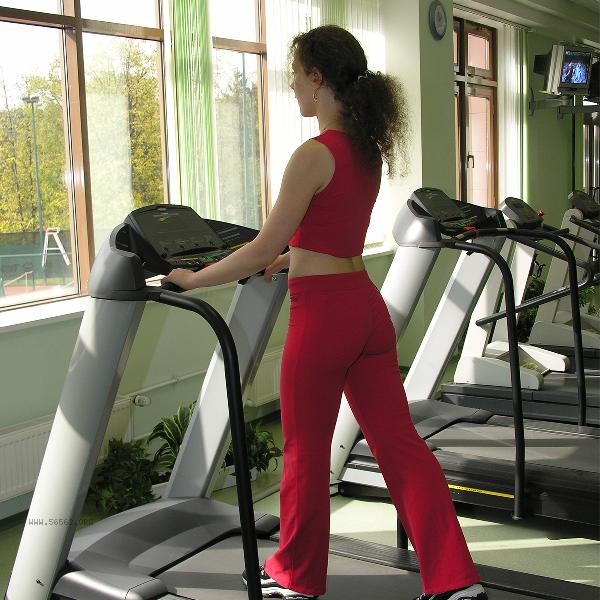
Engage in 150 minutes of moderate intensity aerobic exercise per week, such as brisk walking, swimming, or cycling. Combining resistance training 2-3 times a week can help increase muscle mass and improve basal metabolic rate. Increase daily activity, such as taking stairs instead of elevators. Exercise should be gradual and avoid injuries caused by sudden intense exercise.
3. Ensure adequate sleep
Maintain 7-9 hours of high-quality sleep every day. Lack of sleep can lead to a decrease in leptin and an increase in ghrelin. Establish a regular sleep schedule and avoid using electronic devices before bedtime. Poor sleep quality may affect metabolism and appetite regulation, increasing the risk of obesity.
4. Managing Stress
Long term stress can lead to an increase in cortisol levels, promoting fat accumulation, especially in the abdomen. Relieve stress through meditation, deep breathing, or yoga. Avoid overeating to cope with stress and cultivate healthy emotional regulation methods.
5. Regularly monitor weight
Measure weight at fixed times every week and record the trend of changes, but it is not recommended to weigh every day. Simultaneously measure waist circumference and other indicators to comprehensively evaluate the weight loss effect. Adjust diet and exercise plans in a timely manner based on monitoring results to avoid weight rebound.

1. High quality protein
Moderate intake of high-quality protein such as chicken breast, fish, eggs, and soy products can help maintain muscle mass and increase satiety. Protein has a higher thermal effect on food, and the process of digestion and absorption consumes more energy. Avoid excessive intake of red meat and processed meat products.
2. Whole Grains
Choose whole grains such as brown rice, oats, and whole wheat bread to replace refined grains, providing more dietary fiber and B vitamins. Whole grains have a slower digestion rate and help stabilize blood sugar levels. Daily intake should be controlled at 150-250 grams, adjusted according to activity level.
3. Vegetables and Fruits
Consuming 300-500 grams of vegetables and 200-350 grams of fruits per day provides abundant vitamins, minerals, and antioxidants. Choose low sugar fruits such as berries, apples, etc. Dark colored vegetables should account for more than half of the total vegetables. Pay attention to cooking methods to avoid nutrient loss.
4. Low fat dairy products
Moderate consumption of low-fat milk, yogurt and other dairy products provides calcium and high-quality protein. Conjugated linoleic acid in dairy products may help reduce body fat. Lactose intolerant individuals can choose lactose free products or fermented dairy products. The daily intake should be controlled at around 300 milliliters.
5. Nut Seeds
Consuming 20-30 grams of nut seeds such as walnuts, almonds, flaxseeds, etc. daily provides healthy fats and dietary fiber. Nuts have a high energy density and require controlled intake. Choose original, additive free nuts and avoid salt baked or sugar stained products.
During the weight loss process, patience should be maintained, and it is advisable to lose 0.5-1 kilogram per week to avoid health risks caused by rapid weight loss. Establishing long-term healthy lifestyle habits is more important than short-term dieting. During weight loss, pay attention to replenishing enough water and drink 1500-2000 milliliters of water per day. If discomfort symptoms such as dizziness and fatigue occur, seek medical attention promptly. Regularly conduct body composition analysis, focusing on fat loss and muscle maintenance rather than just weight changes. After successfully losing weight, it is still necessary to maintain healthy eating and exercise habits to prevent weight rebound.








Comments (0)
Leave a Comment
No comments yet
Be the first to share your thoughts!