
Occasional consumption of instant noodles generally does not cause significant harm to health, but long-term or excessive consumption may lead to nutritional imbalances, gastrointestinal discomfort, and other problems. Instant noodles mainly contain high salt, high fat, and food additives, and their harm is closely related to the frequency of consumption and individual health status. The sodium content in instant noodles is usually high, and frequent intake may lead to excessive sodium intake, increasing the risk of hypertension. Fried dough contains a high amount of saturated fatty acids, and long-term consumption may affect blood lipid metabolism. The phosphate added to some instant noodles can affect calcium absorption and be detrimental to bone health. The monosodium glutamate and preservatives in seasoning packets may irritate the gastrointestinal mucosa, and sensitive individuals may experience acid reflux or bloating. Instant noodles lack high-quality protein, vitamins, and dietary fiber, and long-term substitution for regular meals can lead to malnutrition. Special populations need to exercise extra control over their intake of instant noodles. Hypertension patients may add heavy water and sodium retention after eating, and diabetes patients need to be alert to blood sugar fluctuations caused by refined carbohydrates. Long term consumption during the growth and development period of children may affect nutrient absorption, and a lack of folic acid and iron in pregnant women may affect fetal risk. Some people are sensitive to food additives and may experience reactions such as skin allergies or headaches.
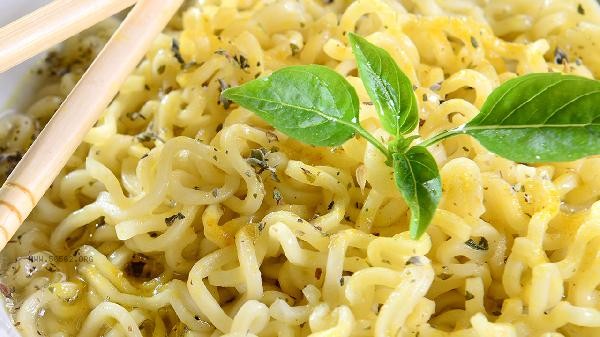
It is recommended to use instant noodles as an emergency food instead of a daily diet, and to supplement nutrition with fresh ingredients such as vegetables and eggs when consuming. Choosing non fried pancakes or reducing the amount of seasoning packets can reduce health risks. Daily diet should focus on a balanced diet, ensuring diversified intake of grains, fruits and vegetables, and high-quality protein, and avoiding long-term dependence on processed foods. If there is persistent discomfort after consumption, seek medical evaluation promptly.









Comments (0)
Leave a Comment
No comments yet
Be the first to share your thoughts!