
Liposuction for weight loss may cause intraoperative bleeding, postoperative infections, uneven skin, fat embolism, organ damage, and other hazards.
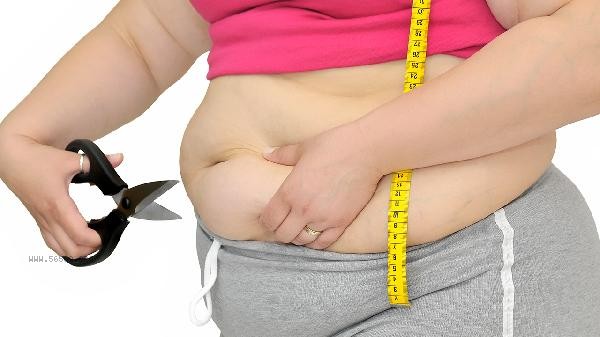
1. Intraoperative bleeding
Liposuction surgery requires the extraction of subcutaneous fat through negative pressure equipment, which may damage capillaries or small blood vessels during the operation, leading to an increase in bleeding volume. If the doctor's skills are not proficient or the patient's coagulation function is abnormal, it may cause excessive intraoperative blood loss, and in severe cases, blood transfusion may be necessary. During the operation, vital signs should be strictly monitored, and postoperative pressure bandaging should be applied to reduce bleeding.
2. Postoperative infection
The liposuction site is prone to become a pathway for bacterial invasion due to wound exposure and tissue damage. If the disinfection of intraoperative instruments is not thorough or postoperative care is improper, local redness, swelling, suppuration, and even systemic infection may occur. The common pathogenic bacteria are Staphylococcus aureus or Streptococcus, and prophylactic use of antibiotics such as cefuroxime axetil tablets and amoxicillin capsules is necessary.
3. Uneven or excessive fat extraction can lead to abnormal adhesion between the skin and deep tissues, forming wavy depressions or hardening. Commonly seen in areas with uneven fat distribution such as thighs and abdomen, it usually requires secondary repair surgery to improve. Wearing shapewear after surgery can help promote skin retraction, but severe irregularities may persist permanently.
4. During the procedure of fat embolism [SEP], if fat particles accidentally enter blood vessels, they may block pulmonary arteries or brain blood vessels with blood flow, causing fatal complications such as breathing difficulties and consciousness disorders. High risk areas include areas with abundant blood vessels such as the buttocks and inner thighs, which require experienced doctors to control the suction depth and pressure, and real-time observation of the patient's condition during surgery.
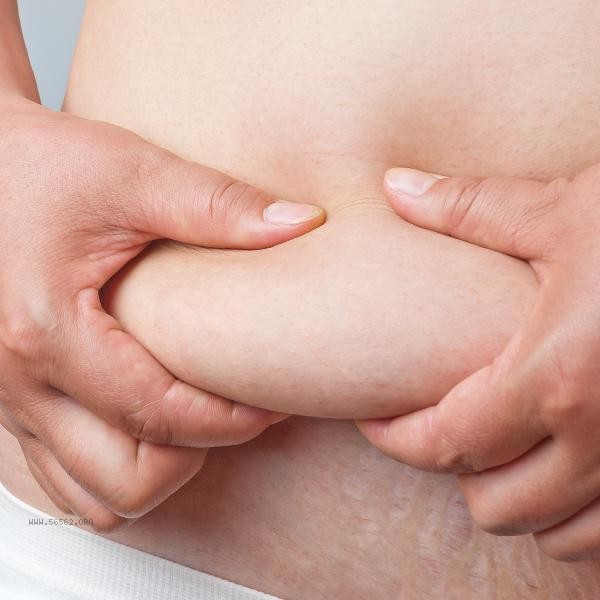
5. Organ damage
When performing abdominal liposuction, if the puncture is too deep, it may pierce the peritoneum, damage internal organs such as the intestine and liver, and lead to peritonitis or internal bleeding. There have also been reports of cases of kidney injury during lumbar surgery. Preoperative ultrasound should be used to locate the thickness of the fat layer, and a blunt tipped trocar should be used during the operation to maintain the suction direction parallel to the muscle layer. Liposuction is an invasive medical procedure that requires the selection of reputable medical institutions and qualified doctors for operation. After surgery, the wound should be kept clean and dry, and vigorous exercise should be avoided for one month. Elastic shapewear should be worn for three months to maintain the shaping effect. Reasonably controlling diet and cooperating with aerobic exercise can reduce the probability of fat rebound. The single suction volume should not exceed 3000 milliliters to avoid excessive cyclic load.








Comments (0)
Leave a Comment
No comments yet
Be the first to share your thoughts!