
Liposuction for weight loss may lead to subcutaneous hematoma, uneven skin, infection, embolism and other hazards. Liposuction is a surgical procedure that removes subcutaneous fat through negative pressure suction. It is mainly suitable for local fat accumulation, but has limited effect on overall weight loss and requires strict evaluation of indications.
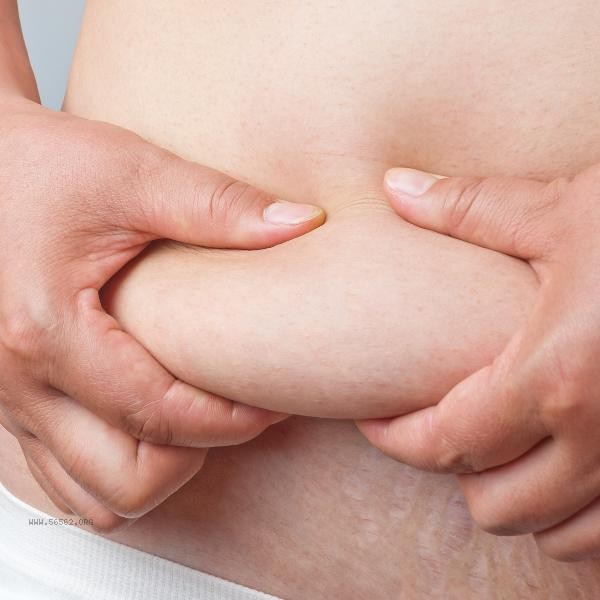
1. Subcutaneous hematoma
During liposuction, capillary rupture may cause blood to accumulate in subcutaneous tissue, forming a local hematoma. Early symptoms include swelling and bruising in the surgical area, accompanied by tenderness. Mild hematoma can be relieved by pressure bandaging and cold compress, and in severe cases, puncture aspiration or surgical removal is required. Wearing shapewear after surgery can help reduce the probability of hematoma.
2. Uneven fat suction on uneven skin may damage the skin's supporting structure, leading to irregular contours. Commonly seen in large areas such as thighs and abdomen, it may be related to improper surgical techniques or postoperative care. Mild unevenness can be improved through massage or radiofrequency therapy, and severe cases require secondary surgery for repair.
3. Risk of Infection
Surgical trauma may cause Staphylococcus aureus or Streptococcus infection, manifested as symptoms such as redness, swelling, heat pain, and purulent discharge. After surgery, follow the doctor's advice to use antibiotics such as cefaclor capsules and levofloxacin tablets to prevent infection, while keeping the wound clean and dry.
4. Fat embolism
During liposuction, free fat particles may enter blood vessels and block blood vessels in the lungs or brain, which is a rare but fatal complication. Typical symptoms include sudden difficulty breathing and blurred consciousness, requiring immediate CT examination and thrombolytic therapy. Choosing experienced surgeons can reduce the risk of embolism.
5. Sensory disorders
Surgery may damage subcutaneous nerve endings, causing numbness or tingling sensation in the treatment area. Most patients gradually recover within 3-6 months, and severe persistent nerve damage requires treatment with nutritional nerve drugs such as mecobalamin tablets and vitamin B1 tablets. After liposuction, it is recommended to maintain a low salt and low-fat diet and avoid vigorous exercise for one month to prevent wound rupture. Wearing medical elastic clothing for 6-8 hours daily for 2-3 months can help with skin retraction and shaping. Regularly review and monitor the recovery status. If there are any abnormal symptoms such as persistent high fever, severe pain, or blackened skin, immediate return to the hospital for treatment is required. Liposuction is not the first choice for weight loss. It is recommended to control weight through healthy methods such as adjusting dietary structure and aerobic exercise.








Comments (0)
Leave a Comment
No comments yet
Be the first to share your thoughts!