
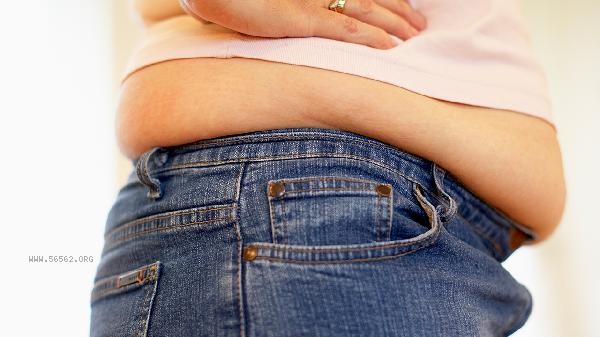
Liposuction for weight loss may cause serious complications such as infection, fat embolism, and organ damage, and surgical risks are closely related to improper postoperative care.
1. Infection risk
Liposuction surgery is an invasive procedure, and bacterial infections may occur during the operation due to incomplete disinfection of instruments or improper postoperative wound care. The common manifestation is redness, swelling, heat and pain at the surgical site, which can lead to systemic infection symptoms in severe cases. After infection, timely use of antibiotics such as amoxicillin capsules, cefuroxime dispersible tablets, etc., and surgical debridement may be necessary. Keeping the wound dry and clean after surgery, and regularly changing dressing according to medical advice, can help reduce the probability of infection.
2. Fat embolism
If fat particles enter the blood vessels during surgery, they may block the blood vessels in the lungs or brain and form embolism. Acute pulmonary embolism can lead to difficulty breathing, chest pain, and even shock, while cerebral embolism may cause hemiplegia or consciousness disorders. Once it occurs, immediate rescue is required. After diagnosis through CT pulmonary angiography, urokinase injection is used for thrombolysis. Severe cases require intensive care. Choosing experienced doctors can reduce the probability of vascular injuries.
3. Skin depression
Excessive or uneven liposuction can cause uneven skin surface, especially in large areas such as the abdomen and thighs. This situation may be related to excessive suction of the subcutaneous fat layer or improper postoperative compression dressing. Mild depression can be repaired by autologous fat transplantation, and severe cases need to be improved with radiofrequency skin tightening treatment. Wearing elastic clothing for 3-6 months after surgery can help the skin retract evenly.
4. Sensory abnormalities
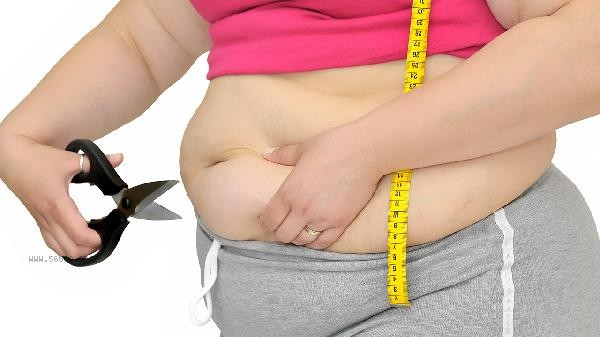
Surgery may damage subcutaneous nerve endings, leading to abnormal sensations such as numbness, tingling, or ant walking in the treatment area. Most patients can recover on their own within 3-6 months, but a few may experience permanent sensory decline. Vitamin B12 tablets and mecobalamin capsules can help with nerve repair, and when combined with low-frequency electrical stimulation therapy, can accelerate sensory function recovery.
5. Internal organ perforation
Improper operation may cause the liposuction needle to penetrate the abdominal wall and injure organs such as the intestine and liver, leading to peritonitis or internal bleeding. Although such complications are rare, the consequences are serious and immediate laparotomy is needed to explore and repair the damaged organs. Preoperative ultrasound can locate the thickness of the fat layer, and intraoperative use of blunt tipped trocar can effectively avoid this risk. After liposuction surgery, one should strictly follow the doctor's advice to wear shapewear, keep the surgical area clean and dry, and avoid vigorous exercise or squeezing the wound. Diet should ensure high-quality protein intake to promote tissue repair, and moderate supplementation of vitamin C tablets to enhance immunity. Within one month after surgery, bathing or swimming is prohibited, and regular follow-up monitoring of recovery is required. If symptoms such as persistent fever, severe pain, or difficulty breathing occur, it is necessary to return to the hospital for timely treatment. Liposuction is only a means of improving body shape, and maintaining a healthy weight still relies on a reasonable diet and regular exercise.








Comments (0)
Leave a Comment
No comments yet
Be the first to share your thoughts!