
The four major oolong teas mainly include Anxi Tieguanyin Tea, Wuyi Rock Tea, Fenghuang Dancong and Taiwan oolong tea. These four types of oolong tea each have unique flavors and production techniques, and are important representatives of Chinese tea culture.
I. Anxi Tieguanyin Tea
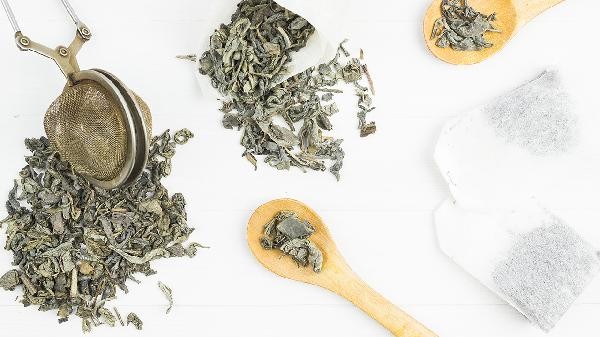
Anxi Tieguanyin Tea is a semi fermented tea produced in Anxi, Fujian Province. The tea soup is golden and bright, with natural orchid and honey fragrance. The production process of Tie Guan Yin is complex, including steps such as sun drying, shaking, frying, rolling, and baking. The tea leaves have a tight and heavy appearance, a sandy green color, and a thick and soft bottom after brewing. Tie Guan Yin has the effects of refreshing and aiding digestion, and is suitable for consumption after meals.
II. Wuyi Rock Tea
Wuyi Rock Tea is mainly produced in Mount Wuyi, Fujian, and Dahongpao is the most famous. This type of oolong tea has a unique rock flavor, with bright orange yellow tea soup, floral and fruity aromas, and mineral flavors. Wuyi rock tea grows in the rock fissures of Danxia landform and absorbs a large amount of mineral nutrients. The production process retains the traditional charcoal roasting technique, with tightly tied tea leaves and a green brown oily color. Long term consumption helps promote metabolism.
3. Phoenix Dancong
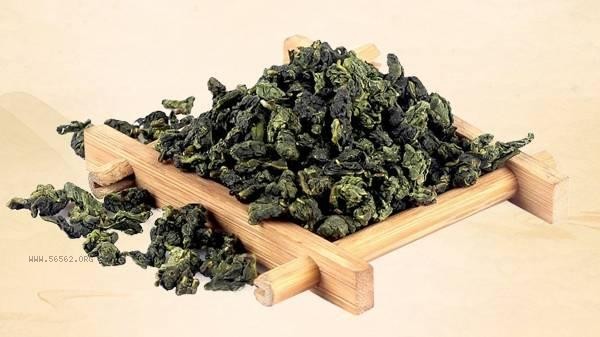
Phoenix Dancong is produced in Fenghuangshan, Chaozhou, Guangdong, and belongs to the high aroma oolong tea. Its most prominent feature is the natural floral and fruity aroma, commonly found in fragrances such as honey orchid and vanilla. Fenghuang Dancong adopts the method of single plant picking and individual production, ensuring the unique flavor of each batch of tea. The tea leaves have a thick and robust appearance, a yellow brown and oily color, and a long-lasting aroma after brewing. Moderate consumption can help alleviate fatigue.
Fourth, Taiwan Oolong Tea
Taiwan Oolong tea is mainly produced in Nantou, Chiayi and other places, represented by Dongding Oolong and Gaoshan tea. This type of tea has a light fermentation degree, clear and bright tea soup, and fresh floral and fruity aromas. Taiwanese oolong tea grows in high-altitude areas with large temperature differences between day and night, and the tea accumulates rich nutrients. Its production process is exquisite, with tea leaves in a hemispherical shape and a dark green color with white frost. Regular drinking helps to keep the mouth fresh. As a semi fermented tea, oolong tea retains the fragrance of green tea while also possessing the richness of black tea. It is recommended to choose the appropriate variety of oolong tea according to personal taste, and pay attention to controlling the water temperature at 90-95 degrees when brewing. The first steeping time should not be too long. Daily consumption of oolong tea should be moderate and avoided on an empty stomach. Special populations such as pregnant women and patients with stomach diseases should consult and store oolong tea in a cool and dry place, sealed and away from light, to maintain the best flavor and nutritional value of the tea.








Comments (0)
Leave a Comment
No comments yet
Be the first to share your thoughts!