
The main difference between raw tea and ripe tea lies in the production process and fermentation degree, and there are significant differences in taste and efficacy between the two. Raw tea, without artificial fermentation, has a cool nature and has the effects of clearing heat, relieving summer heat, and refreshing the mind; Mature tea undergoes pile fermentation and has a mild nature, which helps warm the stomach, digest food, and reduce cholesterol and weight.
1. Production Process
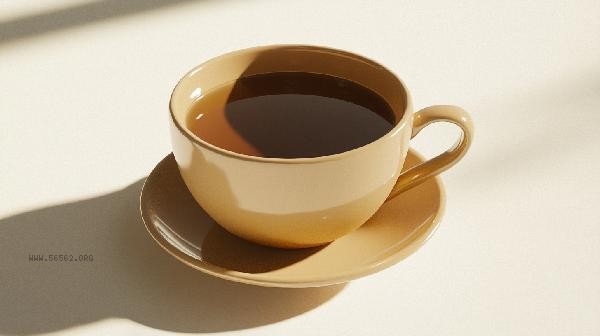
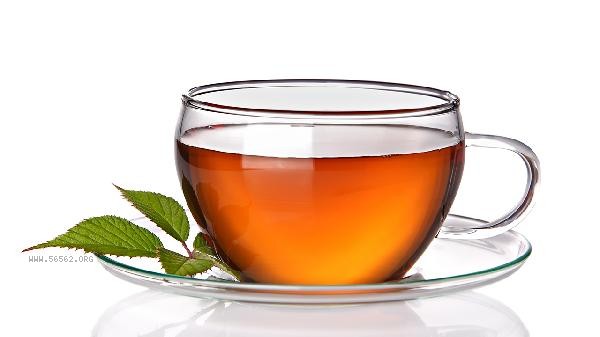
Raw tea is made using natural air drying and steaming processes. The tea leaves retain more active substances, such as high levels of tea polyphenols and caffeine. After brewing, the soup color is yellow green and transparent, with a fresh and astringent taste. With prolonged storage time, it will naturally ferment and transform. Mature tea is fermented through artificial fermentation to accelerate tea aging. During the process, microorganisms oxidize tea polyphenols, resulting in a reddish brown color, a mellow and smooth taste, and a distinct aged aroma.
II. Differences in Tea Properties
Raw tea has a cold nature and is suitable for people with a dry and hot constitution who are prone to internal heat. It can alleviate dry mouth and tongue, but excessive consumption may cause gastrointestinal discomfort for those who are fasting or have spleen and stomach deficiency cold. Mature tea has a warm nature and is less irritating to the stomach. It is suitable for drinking in autumn and winter or for people with cold bodies. The probiotics produced by fermentation help improve the balance of gut microbiota.
III. Health Benefits
Raw tea is rich in antioxidant components such as catechins, which help to eliminate free radicals and delay aging. Its high caffeine content can invigorate and resist fatigue. Mature tea produces substances such as theaflavins and tea polysaccharides during fermentation, which have the effect of assisting in regulating blood lipids. Active ingredients such as lovastatin have certain benefits for cardiovascular health.
4. Target audience
Long term smoking and drinking, as well as those with high blood sugar, hyperlipidemia, and hyperlipidemia, can drink ripe tea in moderation, which has a more significant lipid-lowering and greasiness relieving effect. Office workers or those who need to concentrate are suitable for choosing raw tea, but those with neurasthenia or sleep disorders should control their consumption. Elderly people and those with weak digestive function are advised to prioritize choosing aged or ripe tea.
Fifth, Storage Method
Raw tea should be naturally transformed in a ventilated and dry environment to avoid odors and moisture. The taste will be better after being stored for 3-5 years. Due to the completion of fermentation, ripe tea has relatively low storage environment requirements, but it also needs to be protected from light and moisture. Proper storage can dissipate the accumulated flavor and make the taste more mellow.
It is recommended to adjust the selection of tea according to physical condition and season when drinking in daily life. Raw tea should be brewed and consumed immediately to avoid prolonged storage, while ripe tea can be boiled and consumed to enhance its richness. Both types of tea contain tannic acid and should be avoided from being consumed with high protein foods. Tea should be consumed 2 hours apart during medication. Tea leaves stored for a long time should be regularly checked for mold growth. Before brewing, the tea can be quickly washed with boiling water to remove impurities.








Comments (0)
Leave a Comment
No comments yet
Be the first to share your thoughts!