
The best methods for children to lose weight mainly include dietary adjustments, increased exercise, behavioral interventions, regular sleep patterns, and psychological support, which require comprehensive intervention under the guidance of a doctor.
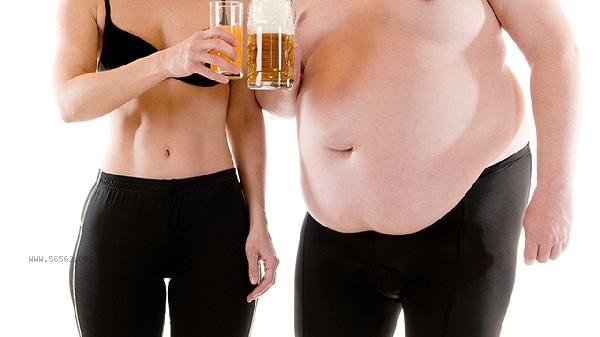
1. Dietary Adjustment
For children to lose weight, it is necessary to ensure a balanced nutrition and reduce the intake of high calorie, high-fat, and high sugar foods in moderation. Suggest increasing the proportion of vegetables, fruits, whole grains, high-quality protein and other foods. Parents should avoid excessive dieting or using adult weight loss methods, which may affect children's growth and development. You can choose healthy ingredients such as low-fat milk, boiled eggs, broccoli, etc. to help control your weight.
2. Increase Exercise
60 minutes or more of moderate to high-intensity exercise per day can help children lose weight. You can choose interesting activities such as skipping rope, swimming, ball games, etc. It is not recommended to engage in strenuous exercise or single training. The intensity of exercise should be gradually increased, and parents should accompany and encourage their children to participate. Exercising 3-5 times a week combined with daily activities can effectively promote fat consumption.
3. Behavioral intervention
Establishing healthy eating habits and lifestyle patterns is important for children to lose weight. Parents need to help children record their diet and exercise, and control their time spent watching TV and playing with electronic devices. Avoid using food as a reward or punishment, and cultivate children's ability to independently choose healthy food.

4. Regular sleep schedule
Ensuring sufficient sleep can help control weight. Children aged 6-12 need 9-12 hours of sleep per day, while teenagers aged 13-18 need 8-10 hours. Lack of sleep may lead to hormonal imbalances and increase the risk of obesity. Parents need to help their children establish a fixed schedule and avoid staying up late.
5. Psychological Support
Overweight children may face psychological pressure, and parents need to provide full understanding and encouragement. Avoid criticism or excessive focus on weight figures, and focus on cultivating a healthy lifestyle. If necessary, seek professional psychological counseling to help children establish positive self-awareness and body image.
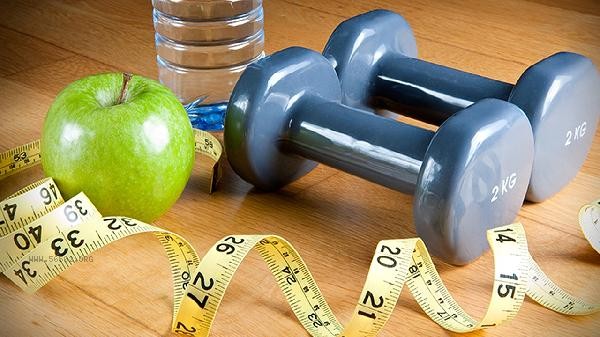
Children's weight loss requires long-term adherence to a healthy lifestyle, and parents should lead by example and provide patient support. It is recommended to undergo regular physical examinations and develop personalized plans under the guidance of a doctor or nutritionist. Avoid blindly using weight loss drugs or folk remedies, as they may have adverse effects on growth and development. Adding fun and helping children establish sustainable healthy habits can be achieved through activities such as parent-child sports and cooking together.








Comments (0)
Leave a Comment
No comments yet
Be the first to share your thoughts!