
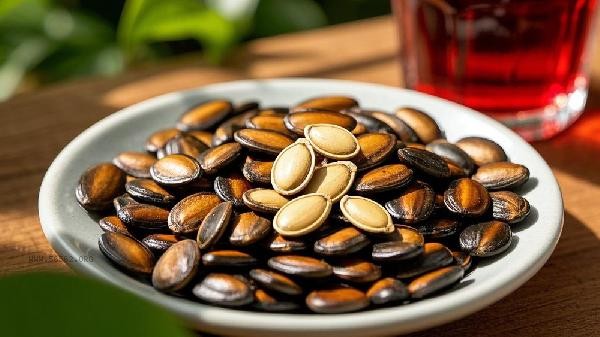
Watermelon seeds are rich in high-quality protein, vitamin E, unsaturated fatty acids, and minerals. Moderate consumption can help supplement nutrition, resist oxidation, and maintain cardiovascular health.
1. Nutritional Supplement
Watermelon seeds are rich in high-quality protein and various essential amino acids, which can help repair human tissues and support immune system function. Its minerals such as magnesium, zinc, and iron are high in content and have a positive effect on maintaining bone health and promoting hemoglobin synthesis. Eating small amounts daily can provide additional nutritional support for vegetarians or individuals with imbalanced diets.
2. Cardiovascular protection
The proportion of unsaturated fatty acids in watermelon seeds exceeds 80%, especially linoleic acid and oleic acid, which helps to reduce the level of low-density lipoprotein cholesterol and reduce the risk of atherosclerosis. The magnesium element contained can regulate blood pressure, while plant sterols can competitively inhibit cholesterol absorption and synergistically protect cardiovascular system function.
3. Antioxidant effect
Watermelon seeds are rich in vitamin E and phenolic compounds, and have a significant ability to scavenge free radicals. These antioxidant components can slow down cellular oxidative damage and reduce the probability of chronic inflammation. Long term moderate intake has a certain auxiliary effect on delaying skin keratinization and improving UV damage.

4. Digestive Promotion
Watermelon seed shells contain about 15% dietary fiber by weight, which can stimulate intestinal peristalsis and improve constipation. Its fat content can promote the absorption of fat soluble vitamins, but it is important to chew thoroughly to avoid irritation of the gastrointestinal mucosa by shell fragments. It is recommended to control the daily intake within 20 grams.
5. Blood glucose regulation
The slow release characteristics of watermelon seed protein and fat help to stabilize the fluctuation of blood glucose after meals, which is suitable for diabetes patients as a meal supplement. Research has shown that its extract may assist in sugar control by inhibiting alpha glucosidase activity, but the actual effect needs to be combined with overall dietary management.
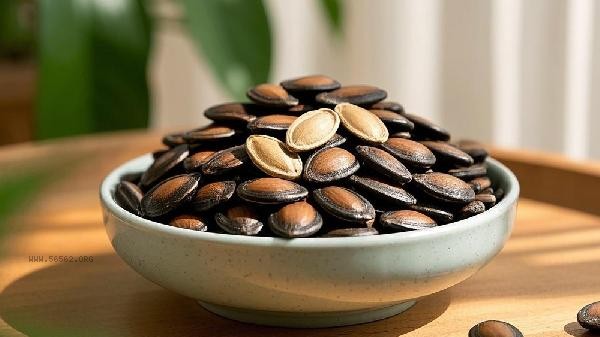
When eating watermelon seeds, it is recommended to choose original baked products and avoid processed products that are high in salt or sugar. Individuals with weak gastrointestinal function should control their single intake, and children should consume under supervision to prevent coughing. Paired with sufficient drinking water can optimize the effect of dietary fiber, while maintaining a balanced diet structure to achieve more comprehensive health benefits.








Comments (0)
Leave a Comment
No comments yet
Be the first to share your thoughts!