
Mung bean Congee has the advantages of clearing heat, detoxifying, relieving heat and promoting diuresis, and supplementing nutrition. Mung bean Congee contains protein, dietary fiber, vitamin B, potassium, magnesium and other nutrients, suitable for summer consumption or daily health care.
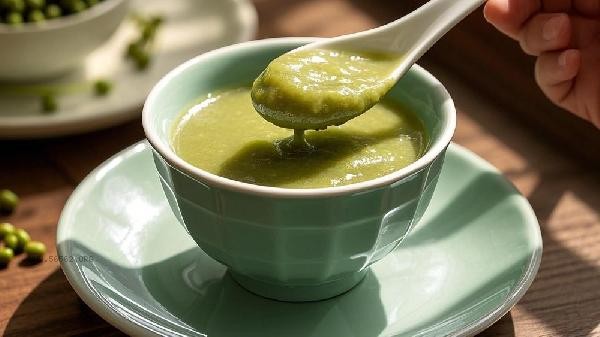
1. Clearing heat and detoxifying
Green beans have a cool and sweet taste, and traditional Chinese medicine believes that they have the effect of clearing heat and detoxifying. The polyphenolic substances in mung beans can help eliminate free radicals in the body and alleviate inflammatory reactions. It has a certain relieving effect on symptoms such as dry mouth and tongue, and skin prickly heat caused by summer heat. Green beans are commonly used in traditional medicine to assist in the treatment of mild fever. Green beans are rich in potassium, which can promote the excretion of sodium salts in the body and help maintain electrolyte balance. Its characteristic of promoting water infiltration and moisture retention helps alleviate the problem of summer edema. The saponins in mung bean skin during Congee cooking can enhance the diuretic effect, which is suitable for people in hot and humid weather or with slight edema.
3. Supplemental nutrition
Mung bean Congee is rich in plant protein and complex carbohydrates, which can provide lasting energy. Every 100 grams of mung beans contains about 20 grams of protein and 8 essential amino acids for the human body. With rice to cook Congee, it can improve the utilization rate of protein. Vitamin B1, B2, etc. help maintain the health of the nervous system.
4. Regulating the gastrointestinal tract
Dietary fiber in mung beans can promote intestinal peristalsis and prevent constipation. Its starch granules are smaller and easier to digest and absorb after boiling, making it a better staple food choice for those with weaker gastrointestinal function. But people with indigestion should pay attention to controlling their food intake and avoid excessive intake at once, which can cause bloating.
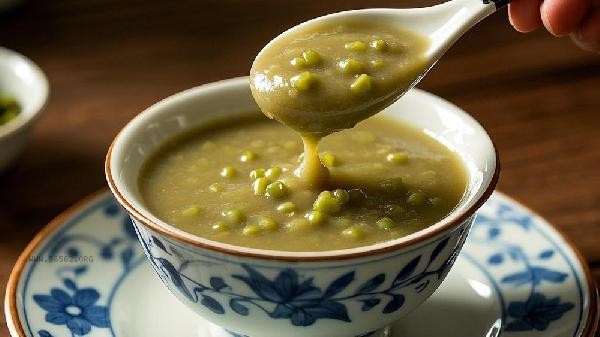
5. Auxiliary sugar control
Mung beans have a lower glycemic index, and their resistant starch can delay sugar absorption. Research has shown that alpha amylase inhibitors in mung beans can reduce carbohydrate breakdown, and moderate consumption has little effect on blood sugar fluctuations. Patients with diabetes can take mung bean Congee as one of the alternatives of staple food.
It is recommended to choose fresh mungbean to cook Congee, and it is easier to boil it after soaking 2-3 hours in advance. People with weak and cold constitution should not consume excessively, and women during menstruation and diarrhea should use it with caution. It can be paired with ingredients such as lilies and lotus seeds to enhance its health benefits and avoid affecting its efficacy when consumed with warm tonics. 1-2 small bowls are recommended for daily consumption, and the frequency can be increased appropriately in summer.








Comments (0)
Leave a Comment
No comments yet
Be the first to share your thoughts!