
Ginger salt water has the effects of dispelling cold and warming the stomach, relieving nausea and vomiting, promoting blood circulation, antibacterial and anti-inflammatory, and relieving muscle soreness. Ginger salt water is mainly composed of ginger and salt. The gingerol in ginger and the sodium ions in salt work together, making it suitable for various situations such as early stage of wind cold and cold, gastrointestinal discomfort, and recovery after exercise.
1. Drive away cold and warm the stomach
Ginger extract in ginger saline can stimulate the gastrointestinal mucosa, promote the secretion of digestive juices, and help alleviate abdominal pain and bloating caused by stomach cold. Drinking warm ginger salt water during a cold can dilate capillaries, accelerate sweating, and help dispel coldness in the body. The electrolyte components of table salt can help maintain fluid balance and enhance the warming and nourishing effect of ginger.
2. Relieve Nausea and Vomiting
The gingerol component in ginger can inhibit the vomiting reflex by acting on the central nervous system, and has a relieving effect on nausea caused by pregnancy reactions, motion sickness, and other symptoms. Salt can replenish electrolytes lost due to vomiting and regulate gastrointestinal motility frequency. It is recommended to drink ginger salt water slowly in small sips to avoid stimulating the already sensitive stomach.
3. Promote blood circulation
Ginger capsaicin has a vasodilatory effect, can improve peripheral blood circulation, and has a certain improvement effect on cold hands and feet in winter. The sodium ions in table salt participate in maintaining blood osmotic pressure and, when combined with ginger, can promote metabolism. But hypertensive patients need to control their salt intake and avoid excessive sodium ion intake that can cause blood pressure fluctuations.
4. Antibacterial and anti-inflammatory
Curcumin and volatile oil in ginger have inhibitory effects on common pathogenic bacteria such as Staphylococcus aureus, and diluted salt water can clean the oral and pharyngeal mucosa. Rinsing mouth with warm ginger salt water can alleviate mild sore throat pain, but severe bacterial infections still require medication treatment. External trauma flushing can be assisted by boiling and cooling ginger salt water to prevent infection.
5. Relieve muscle soreness
Soaking in ginger salt water after exercise can alleviate muscle pain caused by lactic acid accumulation through the anti-inflammatory properties of ginger. Salt can help relax tight muscle fibers, and its warming effect can accelerate local blood circulation. It is recommended to keep the water temperature around 40 degrees Celsius and soak for no more than 20 minutes to avoid excessive sweating and dehydration.
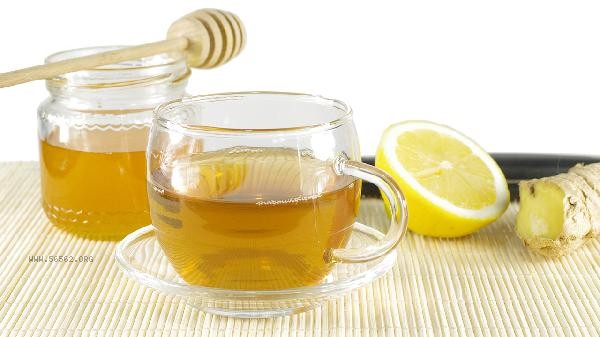
When using ginger salt water, attention should be paid to concentration control. It is recommended to add 3-5 slices of fresh ginger and 1-2 grams of salt every 200 milliliters of water. People with a constitution of yin deficiency and fire excess should not drink it for a long time, and it should be avoided during the acute phase of gastrointestinal ulcers. Daily health care can be achieved by drinking a small amount of warm ginger salt water on an empty stomach in the morning, but it should not be used as a substitute for normal drinking water. If symptoms such as skin allergies or gastrointestinal discomfort occur, immediate cessation of use is necessary. If symptoms persist, medical attention should be sought promptly. Special populations such as pregnant women and hypertensive patients are advised to consult a physician before use.








Comments (0)
Leave a Comment
No comments yet
Be the first to share your thoughts!