
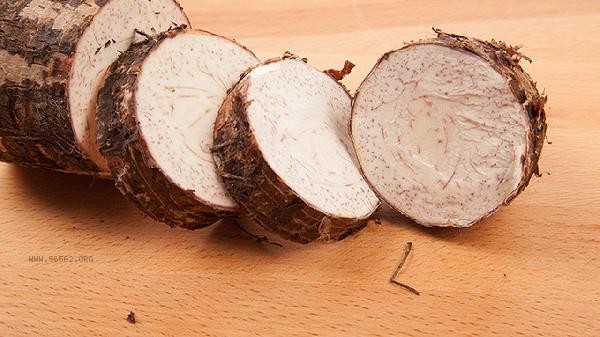
Eating taro regularly can help supplement dietary fiber, regulate gastrointestinal function, enhance immunity, stabilize blood sugar, and protect cardiovascular health. Taro is rich in nutrients such as potassium, magnesium, and vitamin C, making it a healthy choice for daily diet.
1. Supplement dietary fiber
Taro is rich in dietary fiber, which can promote intestinal peristalsis and help prevent constipation. Dietary fiber can also increase satiety, reduce overeating, and help control weight to some extent. Long term moderate consumption of taro can help maintain intestinal health.
2. Regulating gastrointestinal function
The mucin protein in taro can protect the gastric mucosa, alleviate the stimulation of gastric acid on the gastric wall, and is suitable for people with weak gastrointestinal function. Its starch granules are small, easy to digest and absorb, and can be used as an auxiliary food for gastrointestinal regulation.
3. Enhance immunity
Taro contains vitamin C, B group, and various minerals, which are crucial for the normal functioning of the immune system. Moderate intake can help improve the body's resistance and reduce the risk of infection.
4. Stable blood sugar
Taro has a lower glycemic index, and its dietary fiber can delay sugar absorption, avoiding rapid postprandial blood sugar elevation. Under the premise of controlling total calories, diabetes patients can choose taro as a staple instead.
5. Cardiovascular Protection
Taro is rich in potassium, which can help regulate the balance of sodium and potassium in the body and assist in lowering blood pressure. The polyphenols contained in it have antioxidant effects, can reduce endothelial damage, and are beneficial for preventing arteriosclerosis.
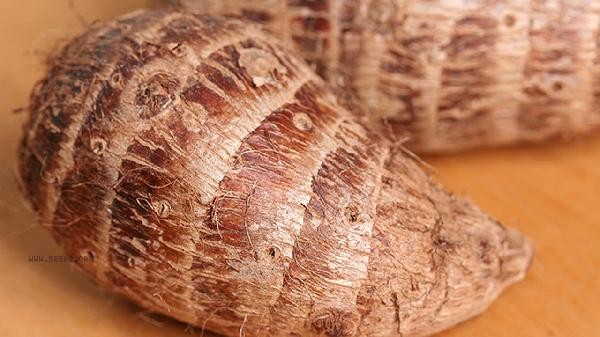
It is recommended to steam or stew taro soup for consumption, avoiding high-temperature frying to preserve nutrients. People who are allergic to taro should avoid consumption, and those with poor gastrointestinal function should control the amount when consuming it for the first time. Daily consumption can be balanced with meat and vegetables, but attention should be paid to monitoring individual blood glucose responses. It is recommended to rotate different potato and taro ingredients for long-term consumption to ensure nutritional diversity.








Comments (0)
Leave a Comment
No comments yet
Be the first to share your thoughts!