
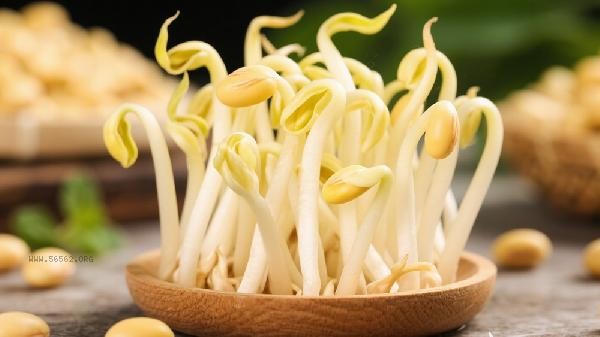
Soybean sprouts are rich in various nutrients, and moderate consumption can help supplement vitamins, minerals, and dietary fiber. The main nutritional values of soybean sprouts include high-quality protein, vitamin C, B vitamins, calcium, iron, etc., which can help promote digestion, enhance immunity, and improve anemia.

1. Promoting digestion
Soybean sprouts are rich in dietary fiber, which can stimulate gastrointestinal peristalsis and help with food digestion and absorption. Dietary fiber can also increase satiety and reduce the probability of overeating, making it suitable for people who need to control their weight. The oligosaccharides in soybean sprouts can promote the growth of beneficial gut microbiota and maintain the balance of gut microbiota.
2. Supplementing with vitamins
Soybean sprouts are a good source of vitamin C, with a higher content than soybeans themselves. Vitamin C has antioxidant properties and can help eliminate free radicals in the body, delaying cellular aging. Soybean sprouts also contain a significant amount of B vitamins, such as B1 and B2, which are involved in energy metabolism and play an important role in maintaining nervous system function.
3. Improving Anemia
Soybean sprouts contain a certain amount of iron element, and the presence of vitamin C helps to improve the absorption and utilization rate of iron. Iron is an important raw material for hematopoiesis, and moderate consumption of soybean sprouts can provide auxiliary nutritional support for patients with iron deficiency anemia. The folate component in soybean sprouts also participates in the process of red blood cell generation.
4. Enhancing immunity
The plant protein in soybean sprouts is more easily absorbed and utilized by the human body during the germination process, providing raw materials for the immune system. Vitamin C and trace elements such as zinc work together to enhance the phagocytic ability of white blood cells and improve the body's resistance. Some active substances in soybean sprouts also have the potential to regulate immune function.
5. Cardiovascular Protection
Soybean sprouts contain phytochemicals such as soy isoflavones, which help regulate blood lipid metabolism and reduce low-density lipoprotein cholesterol levels. The characteristic of high potassium content and low sodium content makes soybean sprouts a healthy food suitable for patients with hypertension. Dietary fiber can also bind cholesterol and reduce its intestinal absorption.
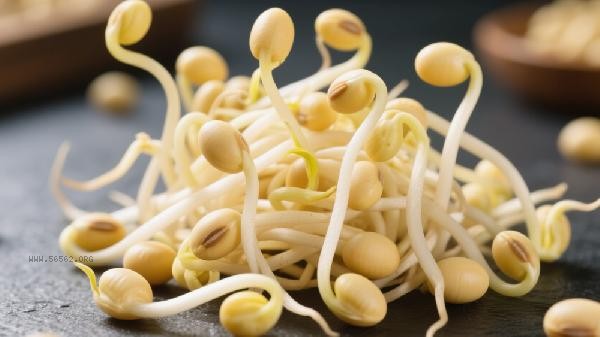
Soybean sprouts are suitable for most people to consume, but those with weak gastrointestinal function should pay attention to controlling their consumption to avoid discomfort. It is recommended to choose fresh and non rotting soybean sprouts, wash them thoroughly, and cook them. Cold dishes, stir frying, or boiling soup are all cooking methods that preserve nutrients. During the germination process, some anti nutritional factors are decomposed, making soybean sprouts easier to digest and absorb than soybeans. Yellow bean sprouts can be paired with other vegetables in daily diet to enrich the dietary structure. Patients with special diseases should consume food reasonably under the guidance of a doctor to ensure balanced and safe nutrient intake.








Comments (0)
Leave a Comment
No comments yet
Be the first to share your thoughts!