
Eating more mushrooms can help supplement dietary fiber, high-quality protein, and various trace elements, and have a positive effect on regulating immunity, protecting cardiovascular health, and promoting digestion. Fungi mainly include shiitake mushrooms, shiitake mushrooms, enoki mushrooms, shiitake mushrooms, black fungus, etc. Their nutritional value and health benefits have their own emphasis.
1. Regulating immunity
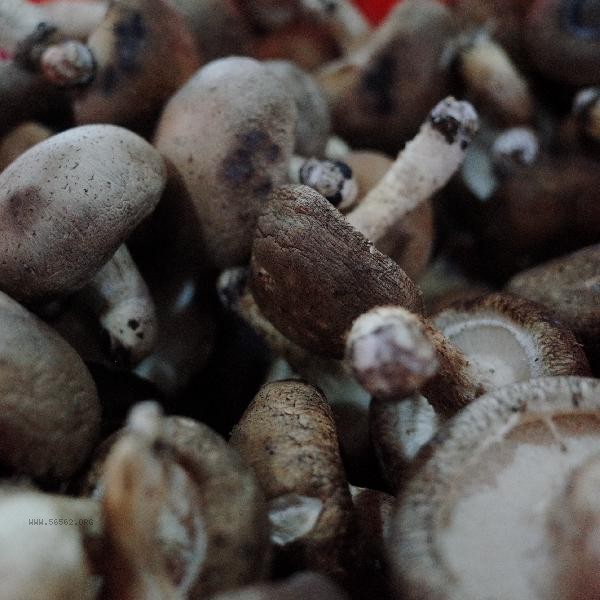
Fungi are rich in polysaccharides such as β - glucan, which can activate the activity of macrophages and natural killer cells, and enhance non-specific immune function in the human body. The polysaccharides in shiitake mushrooms have been proven to have auxiliary anti-tumor effects, while polysaccharides from Tremella fuciformis can promote lymphocyte proliferation. Long term moderate consumption can reduce the frequency of colds, but individuals with abnormal immune function need to control their intake.
II. Cardiovascular Protection
Black fungus contains adenosine that can inhibit platelet aggregation and reduce the probability of thrombosis. The plant sterols in shiitake mushrooms can compete with cholesterol for absorption, reducing the intestinal absorption rate of cholesterol. The potassium ions rich in shiitake mushrooms help balance sodium metabolism and have potential benefits for patients with hypertension. It is recommended to consume 3-4 times a week, with 50-100 grams per serving.
III. Promoting Digestion
Fungi such as shiitake mushrooms contain a large amount of soluble dietary fiber, which can promote intestinal peristalsis and improve constipation. Although the fungal chitin it contains is difficult to be directly digested by the human body, it can act as a prebiotic to promote the proliferation of beneficial bacteria such as bifidobacteria. For those with weak gastrointestinal function, it is recommended to chop and cook the mushrooms until soft and tender to avoid increasing digestive burden.
4. Supplementing Trace Elements
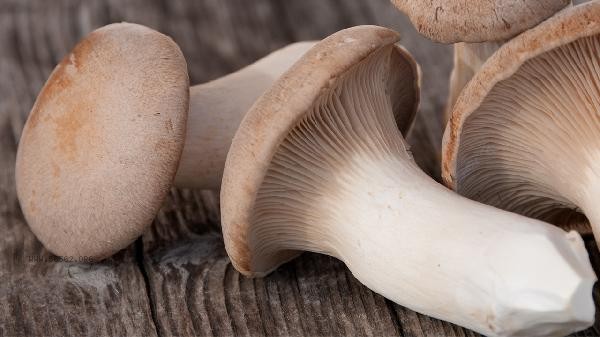
Boletus edulis is rich in selenium, which has antioxidant and detoxifying functions. The selenium content per 100 grams of dry product can meet the daily needs of adults. The iron content of chicken mushroom is 5 times that of spinach, and it contains vitamin C precursors that promote iron absorption. The zinc content of bamboo fungus is relatively high, which has special value for the growth and development of children and the maintenance of taste function.
5. Low calorie and high protein
Fresh mushrooms have a water content of up to 90% and a calorie content generally below 30 kcal/100g, making them suitable for weight control. The protein content of dried mushrooms can reach 20% -40%, containing 8 essential amino acids for the human body, among which the lysine content of shiitake mushrooms is prominent. Vegetarians can pair fungi with grains to increase protein bioavailability. Fungi should be fully heated before consumption to avoid the risk of poisoning, and wild mushrooms must be identified by professionals. It is recommended to use low-temperature cooking methods such as steaming and stewing to preserve nutrients and avoid high-temperature frying. Daily intake of different types of fungi can be rotated, with a total weekly intake controlled at 300-500 grams. People who are allergic to fungi or have gout attacks should limit their consumption, and seek medical attention promptly if symptoms such as nausea and diarrhea occur after consumption.









Comments (0)
Leave a Comment
No comments yet
Be the first to share your thoughts!