
Drinking vinegar in moderation in the morning can help promote digestion, regulate blood sugar, and assist in weight loss, but attention should be paid to concentration control and gastrointestinal irritation. The main functions of vinegar include stimulating gastric acid secretion, delaying postprandial blood sugar rise, inhibiting fat accumulation, etc. It is recommended to dilute and avoid long-term overdose when drinking on an empty stomach. The organic acids in vinegar can stimulate the gastric mucosa, promote the secretion of digestive juices, and help improve morning loss of appetite. Apple cider vinegar contains acetic acid, which can slow down the rate of starch breakdown and have a certain effect on controlling blood sugar fluctuations after breakfast. The polyphenolic substances in fermented vinegar can inhibit the activity of fat synthesis enzymes, and combined with exercise, may improve fat loss efficiency. Some studies have shown that vinegar can regulate the balance of gut microbiota, but there is a lack of sufficient clinical evidence to support its direct health benefits.
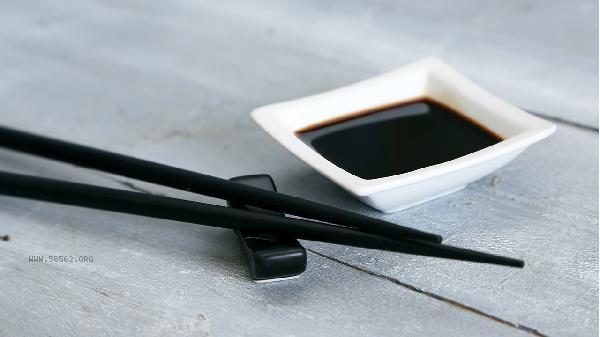
For individuals with weak gastrointestinal function, drinking high concentrations of vinegar on an empty stomach may cause acid reflux or mucosal damage. It is recommended to dilute it at a ratio of 1:10 before drinking. Patients with gastric ulcers, low potassium individuals, and those taking diuretics should avoid drinking vinegar in the morning, as it may worsen the condition or cause electrolyte imbalances. Long term excessive intake of acetic acid may corrode dental enamel, and it is necessary to rinse your mouth promptly after consumption. Commercial fruit vinegar beverages have a higher sugar content, and homemade fermented vinegar is more conducive to retaining active ingredients.
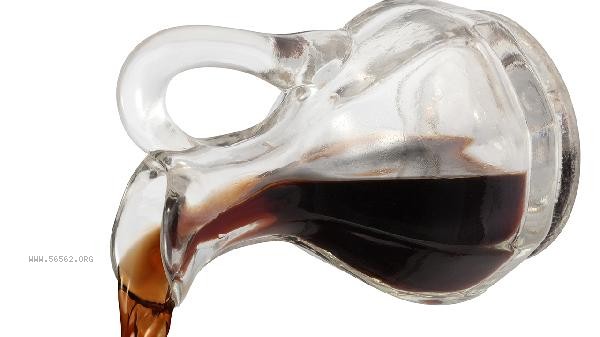
Drinking vinegar water in the morning can be diluted with warm water to a slightly sour taste, and the recommended dosage for a single use should not exceed 15 milliliters. It is recommended to drink it 20 minutes before breakfast and avoid taking it with sodium bicarbonate drugs. Apple vinegar, rice vinegar or sweet vinegar can be used alternatively in daily life. Blood glucose changes should be monitored before drinking in patients with diabetes. If there is a burning sensation in the stomach, stop immediately and seek medical attention. Reasonable combination of whole grains and protein foods can reduce the risk of gastrointestinal irritation.









Comments (0)
Leave a Comment
No comments yet
Be the first to share your thoughts!