
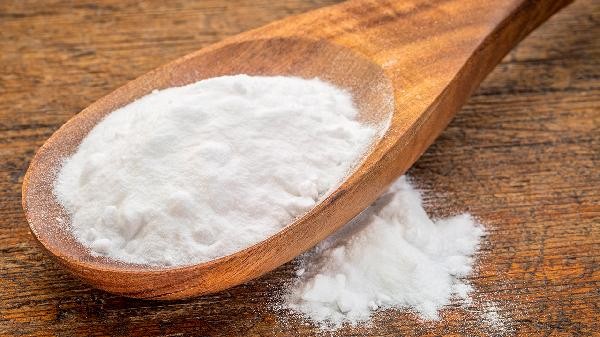
Baking soda has various effects such as neutralizing stomach acid, cleaning and removing dirt, relieving skin discomfort, regulating uric acid metabolism, and assisting in baking and leavening. The main component of baking soda is sodium bicarbonate, and its weak alkaline properties make it widely used in medical, home, and food fields.
1. Neutralizing stomach acid
Baking soda can neutralize excessive stomach acid, alleviate heartburn or mild indigestion. It reacts with stomach acid to produce carbon dioxide and water, which can quickly alleviate stomach discomfort, but long-term use may cause stomach acid rebound or electrolyte imbalance. People with excessive stomach acid should use it under the guidance of a doctor for a short period of time and avoid taking it together with acidic drugs.
2. Cleaning and Decontamination
The micro particle structure of baking soda can physically rub against stains, and the alkaline components can decompose grease and protein based dirt. Suitable for cleaning kitchen oil and tea stains, the bubbles generated by the reaction with white vinegar can clear the drainage pipe. When using, it is recommended to prepare it in a paste or solution to avoid direct friction with corrosive materials such as aluminum products.
3. Relieve skin discomfort
Baking soda solution wet compress can alleviate mosquito bites or mild skin itching, and its anti-inflammatory properties help reduce redness and swelling. Adding an appropriate amount of baking soda during bathing can soften keratin, but sensitive skin needs to be tested before use to avoid damaging the skin barrier. It is not recommended to use during periods of skin damage or eczema.
4. Regulating uric acid metabolism
Baking soda promotes uric acid excretion by alkalizing urine, assisting in the prevention of gout attacks. It should be used in conjunction with a low purine diet, as excessive intake may cause an increase in sodium load. Patients with renal insufficiency need to monitor blood potassium and blood pressure, which should not be used as a long-term uric acid lowering regimen.
5. Auxiliary baking and leavening
Baking soda decomposes upon heating to produce carbon dioxide, making noodle products loose and porous. It needs to be used in conjunction with acidic substances such as lemon juice, as using it alone may result in residual alkaline taste. High temperature baking has a higher decomposition efficiency and is suitable for fast cooking foods such as cookies and cakes.
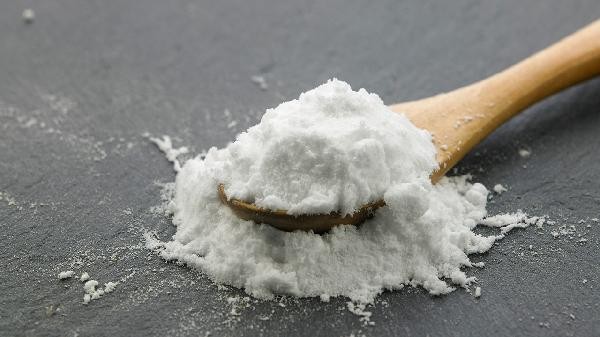
Daily use of baking soda should follow the principle of moderation, and medical use should follow medical advice. It is recommended to store in a damp environment and seal to prevent clumping after opening. Food grade baking soda should be distinguished from industrial products, and gloves are recommended for cleaning purposes. Special populations such as pregnant women and hypertensive patients should consult professionals before use to avoid taking specific medications or supplements together.








Comments (0)
Leave a Comment
No comments yet
Be the first to share your thoughts!