
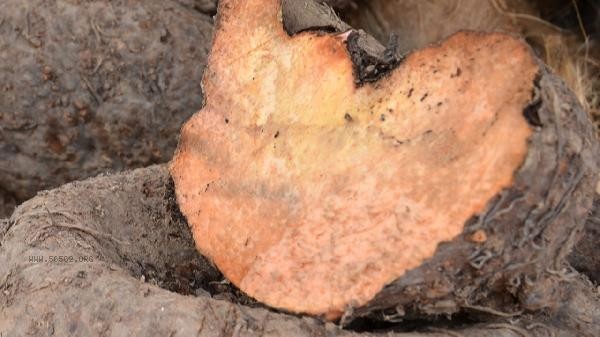
Konjac is a low calorie, high dietary fiber healthy food. Moderate consumption can help control weight and regulate gastrointestinal function, but those with weaker gastrointestinal function should consume it with caution. The main component of konjac, glucomannan, has water absorption and swelling properties, which can increase satiety. Its benefits mainly include promoting defecation, assisting in sugar control, helping with weight loss, regulating blood lipids, and supplementing minerals. Taboo populations include patients with indigestion, those in the postoperative recovery period, patients with hypotension, patients with kidney disease, and those with allergies.
1. Promote defecation
Konjac contains a large amount of soluble dietary fiber, which can expand its volume by dozens of times after absorbing water, soften feces, and stimulate intestinal wall peristalsis. Every 100 grams of konjac flour contains about 70 grams of dietary fiber, which is much higher than that of ordinary vegetables and fruits. This kind of fiber forms gel like material in the intestinal tract, which helps absorb intestinal waste and accelerate the discharge, and has an improvement effect on functional constipation. When consuming, it is necessary to drink sufficient water to avoid bloating caused by insufficient fiber absorption.
2. Auxiliary sugar control
Konjac glucomannan can delay gastric emptying rate, slow down glucose absorption rate, and make postprandial blood sugar rise more smoothly. Studies have shown that konjac food can reduce the peak blood sugar after meal in patients with diabetes. This effect is related to the viscous gel formed by fiber blocking the absorption of sugar. When using konjac as a partial substitute for staple food, it is recommended to pair it with high-quality protein and vegetables to balance nutrient intake.
3. Help with weight loss
The extremely low calorie properties of konjac make it an ideal meal replacement ingredient, with only 7 calories in 100 grams of konjac silk. Its high fiber composition forms a satiety gel in the stomach to reduce subsequent food intake. It is recommended to use konjac products as side dishes in meals, and chewing them can enhance the signal of satiety and avoid nutritional imbalance caused by excessive dietary restrictions.
4. Regulating blood lipids
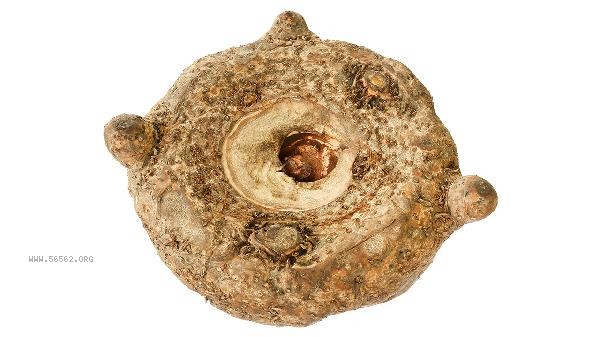
Konjac fiber can bind bile acids to promote their excretion, forcing the liver to synthesize new bile acids from blood cholesterol, thereby reducing serum cholesterol levels. This mechanism has positive significance for patients with hyperlipidemia, but it should be noted that konjac itself does not contain lipid-lowering active ingredients and cannot replace drug treatment. It should be consumed in combination with unsaturated fatty acid foods such as deep-sea fish and nuts.
5. Supplement minerals
Konjac contains various minerals such as calcium, iron, zinc, etc. Although its absorption rate is not as high as animal food, it is a good source of minerals for vegetarians. The calcium content can reach 45 milligrams per 100 grams, slightly higher than that of ordinary vegetables. It is recommended to eat konjac with vitamin C-rich ingredients such as green peppers and tomatoes to improve the bioavailability of iron.
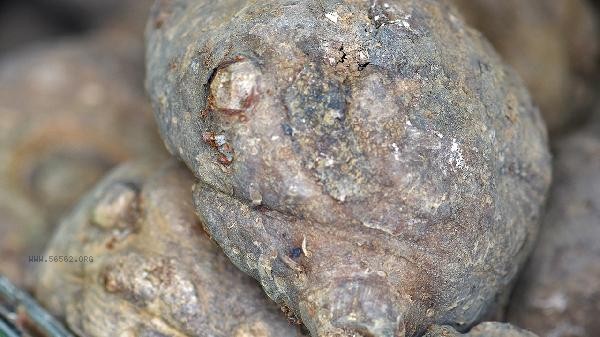
When consuming konjac, it is important to note that the daily intake should not exceed 50 grams of dry food, as excessive intake may cause gastrointestinal discomfort. There are two types of commercially available konjac products: alkaline processing and enzymatic processing. The former requires thorough rinsing to remove alkali residues. When cooking, cut fine threads or small pieces and heat them thoroughly to destroy their slightly toxic calcium oxalate needle crystals. Postoperative patients and those with gastrointestinal sensitivity should start with a small amount and observe whether bloating and diarrhea occur. Kidney disease patients need to control their intake to prevent excessive potassium load, and people with low blood pressure should be aware that konjac may enhance the effectiveness of antihypertensive drugs. It is recommended to choose konjac flour or konjac tofu produced by regular manufacturers, and avoid consuming raw konjac tubers that have not been processed in a standardized manner.








Comments (0)
Leave a Comment
No comments yet
Be the first to share your thoughts!