
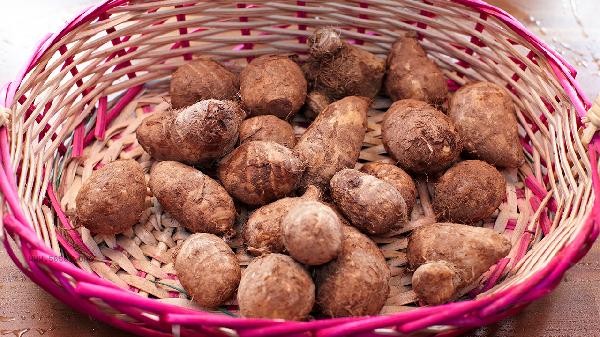
Konjac is a low calorie, high dietary fiber healthy food that has the effects of moisturizing the intestines, promoting bowel movements, controlling blood sugar, and assisting in weight loss. The main nutritional components of konjac include glucomannan, trace elements, and various vitamins, which are suitable for people who need to control their weight or improve their metabolism to consume in moderation.
1. Runchang Tongpan
Konjac contains a large amount of soluble dietary fiber glucomannan, which can increase the volume of feces and promote intestinal peristalsis after absorbing water and swelling. Its gel property can soften stool and relieve functional constipation. For those with weak gastrointestinal function, it is recommended to start consuming in small amounts to avoid excessive intake at once, which can cause bloating.
2. Control blood sugar
Dietary fiber in konjac can slow down glucose absorption and reduce postprandial blood sugar peak. Glucomannan forms a viscous solution in the intestinal tract, reducing the contact area between sugar and the intestinal wall, which is suitable for diabetes patients as a staple food substitute. It should be noted that sugar may be added during the processing of konjac products, and a sugar free formula should be chosen.
3. Assisted weight loss
Each 100 grams of konjac flour contains only about 7 calories, and after absorbing water, its volume expands dozens of times, which can produce a strong sense of satiety. Its dietary fiber can reduce fat absorption and help control total calorie intake. It is recommended to replace some staple foods with konjac flour or konjac rice, and combine it with a balanced diet and exercise for better results.
4. Regulating blood lipids
Konjac fiber can bind with bile acids to promote their excretion, forcing the liver to synthesize new bile acids from cholesterol, thereby reducing serum cholesterol levels. Long term moderate consumption is helpful to prevent atherosclerosis, but patients with hyperlipidemia still need to cooperate with drug treatment and diet management.
5. Supplement minerals
Konjac contains trace elements such as calcium, iron, and zinc, with calcium content being about one-third of milk. The alkaline solution added during the processing will cause some minerals to be lost. It is recommended to choose low alkali process products. Vegetarians can supplement some minerals with konjac, but it should not be the main source.
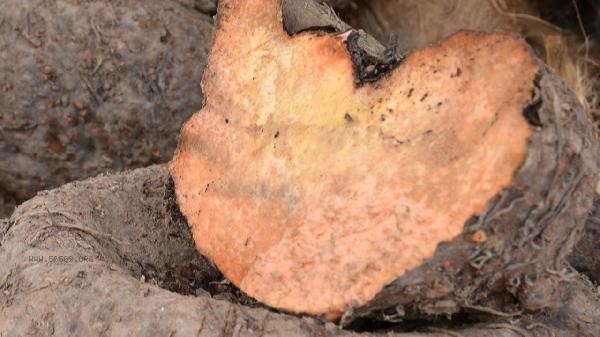
When consuming konjac, it is important to chew it thoroughly to avoid choking. It should be avoided after gastrointestinal surgery or for patients with intestinal obstruction. It is recommended to choose konjac products produced by legitimate manufacturers and avoid consuming raw konjac that has not been fully processed to prevent poisoning. Konjac can be cooked with vegetables and mushrooms in daily life, which can enhance the taste and increase nutritional diversity. It is recommended to consult a nutritionist before consumption for special populations, and adjust the intake and consumption methods according to individual circumstances.








Comments (0)
Leave a Comment
No comments yet
Be the first to share your thoughts!