
Konjac tofu is a low calorie, high dietary fiber healthy food. Moderate consumption can help control weight and improve gastrointestinal function, but excessive consumption may cause gastrointestinal discomfort or affect nutrient absorption.
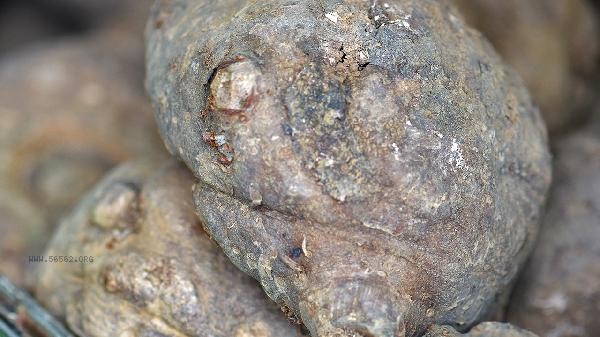
The main raw material of konjak tofu is konjak powder. Its core component, glucomannan, has strong water absorption and can expand in the gastrointestinal tract to form gel like substances. This characteristic brings a significant sense of satiety, helps reduce the intake of other high calorie foods, and has positive implications for weight management. Konjac tofu has a high content of dietary fiber, which can promote intestinal peristalsis and help improve constipation problems. The water-soluble fibers in konjac can also serve as prebiotics, promoting the growth of beneficial gut microbiota. From the perspective of trace elements, konjac tofu contains small amounts of minerals such as calcium and iron, but has extremely low protein and fat content. Excessive consumption of konjac tofu may cause gastrointestinal discomfort such as bloating and diarrhea, as its dietary fiber absorbs a large amount of water and increases the volume of intestinal contents. Long term excessive intake may interfere with the absorption of minerals such as iron and zinc, especially for children and pregnant women during their growth and development period who need to pay attention to controlling their intake. Some people are sensitive to alkaloids in konjac and may experience allergic reactions such as skin itching or oral mucosal irritation. Commercial konjac tofu may contain alkaline additives, and those with renal insufficiency should choose carefully. If detoxification is not thorough during the processing, residual calcium oxalate crystals may irritate the gastrointestinal mucosa.
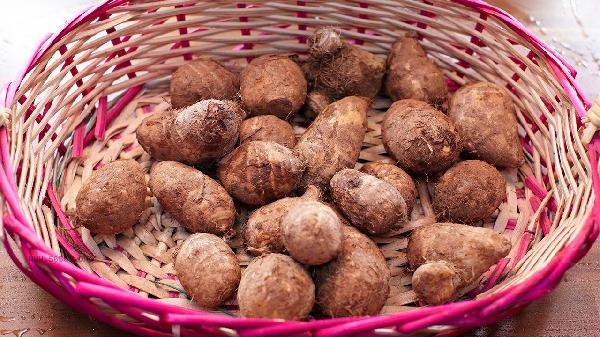
It is recommended to use konjac tofu as a dietary supplement rather than a staple food substitute. It is advisable to consume 2-3 times a week, with a limit of 100-150 grams per time. When consuming, chew thoroughly and drink plenty of water to avoid eating with high oxalate foods. Special populations such as those with weak gastrointestinal function and malnourished patients should consume under the guidance of a nutritionist. Choose qualified products produced by legitimate manufacturers and pay attention to the ingredient list and food additive information on the packaging. When cooking, high-quality protein and vitamin rich ingredients such as chicken, shrimp, carrots, etc. can be paired to compensate for their nutritional deficiencies.








Comments (0)
Leave a Comment
No comments yet
Be the first to share your thoughts!