
Eating one banana a day is beneficial for the body, but there may also be some drawbacks. Bananas are rich in nutrients such as potassium, vitamin B6, and dietary fiber, which help maintain heart health and digestive function. However, excessive consumption may cause gastrointestinal discomfort or affect blood sugar fluctuations.

1. Supplement Potassium
Bananas are a high-quality source of potassium, with approximately 358 milligrams of potassium per 100 grams of bananas. Potassium can help regulate electrolyte balance in the body, maintain normal blood pressure levels, and reduce the risk of hypertension. Moderate intake of potassium can also help prevent muscle spasms and relieve fatigue, especially suitable for supplementation after exercise.
2. Improving digestive function
Bananas contain dietary fiber such as pectin and resistant starch, which can promote intestinal peristalsis and alleviate mild constipation. Immature green bananas have a higher content of resistant starch, which helps improve the balance of gut microbiota. The natural fructose and glucose in bananas can also provide nutrients for beneficial bacteria in the gut.
3. Stabilizing the nervous system
Bananas are rich in vitamin B6, a nutrient involved in neurotransmitter synthesis that helps alleviate anxiety and improve sleep quality. Tryptophan in bananas is a precursor to the synthesis of serotonin, and moderate intake may help regulate emotions and alleviate stress reactions.
4. Control blood sugar fluctuations
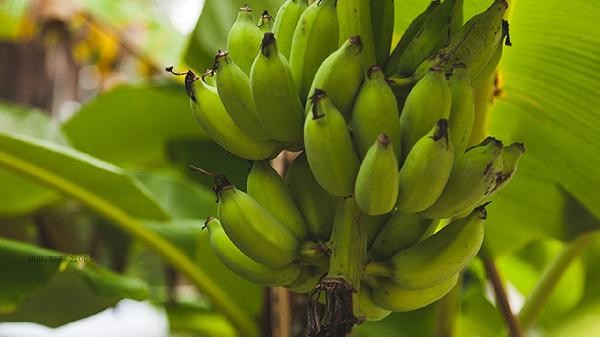
Mature bananas have a moderate glycemic index, and consuming them with protein or healthy fats can delay blood sugar rise. However, patients with diabetes need to pay attention to controlling the intake, and it is advisable to take no more than half of the root at a time. Immature bananas have a lower glycemic load and are more suitable for individuals with blood sugar management needs.
5. Potential gastrointestinal irritation
Consuming a large amount of bananas on an empty stomach may irritate the gastric mucosa, causing acid reflux or bloating. Tannic acid in bananas can bind with stomach acid, and those with weaker digestive function may experience discomfort. Some people are sensitive to amines in bananas, which may trigger migraines or skin allergies after consumption.

It is recommended to choose bananas with slightly greenish skin, as they have a higher content of resistant starch. When consumed, it can be paired with nuts or yogurt to balance blood sugar and increase nutrient density. Individuals with abnormal kidney function should consult a doctor to control potassium intake and avoid excessive blood potassium. When storing bananas, wrapping the roots with plastic wrap can delay ripening, and they can be stored at room temperature. Pay attention to individual tolerance and adjust the dosage or suspend consumption when gastrointestinal discomfort occurs.








Comments (0)
Leave a Comment
No comments yet
Be the first to share your thoughts!