
Low fat foods refer to foods with low fat content that help control calorie intake, such as broccoli, chicken breast, oats, apples, skim milk, etc. This type of food is suitable for people who need to control their weight or cardiovascular health, but it is important to pay attention to balanced nutrition.
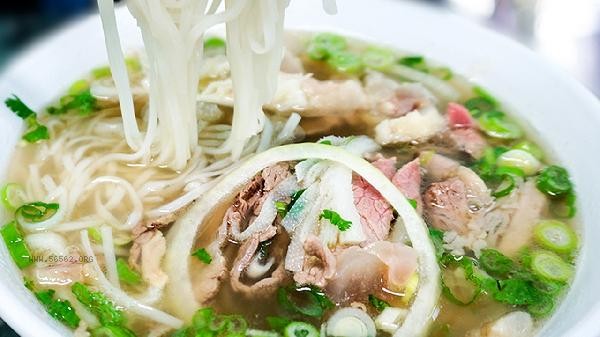
1. broccoli
broccoli is a typical low-fat vegetable, containing only about 0.4 grams of fat per 100 grams, while also being rich in vitamin C and dietary fiber. The glucosinolates it contains may help with antioxidant properties after metabolism, making it suitable for boiling or steaming to preserve nutrients. People with weak gastrointestinal function need to control their single consumption to avoid bloating.
2. Peeled chicken breast
has a fat content of less than 3% and is an important source of high-quality protein. Its protein structure is easy for the human body to absorb and utilize, making it suitable for fitness and muscle building or for consumption during the postoperative recovery period. It is recommended to use low oil frying or blanching methods for cooking to avoid nutrient loss caused by high temperature frying.
3. Oats
Oats have a fat content of about 7%, but are mainly composed of unsaturated fatty acids. Soluble dietary fiber helps regulate blood lipids. As a low glycemic index staple food, it can provide sustained satiety. Instant oatmeal can be paired with sugar free yogurt, but individuals with renal insufficiency should control their intake.
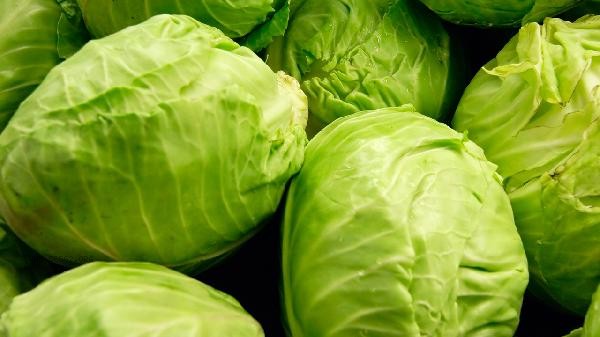
4. Apples
Apples contain only 0.2 grams of fat per 100 grams, and pectin components can promote cholesterol metabolism. Eating with skin on can increase dietary fiber intake, but it is recommended to peel when there is a high risk of pesticide residue. Patients with diabetes can choose sour taste varieties and control their daily intake.
5. Skimmed Milk
Skimmed milk removes milk fat through centrifugation technology, with a fat content close to zero and retaining calcium and vitamin D. It is suitable for people with high blood lipids to replace full fat dairy products, but lactose intolerant individuals can choose fermented skim yogurt. Long term consumption should be combined with vitamin E foods to promote the absorption of fat soluble nutrients. When choosing low-fat foods, one should consider their own metabolic needs and avoid long-term single intake that leads to a deficiency of essential fatty acids. Suggest pairing with healthy sources of fat such as nuts and deep-sea fish, and cooking with steaming to reduce oil consumption. Special populations such as pregnant women and children need to adjust their dietary structure under the guidance of nutritionists to ensure sufficient intake of protein and micronutrients. Regular monitoring of blood lipid indicators can scientifically evaluate the effectiveness of dietary adjustments.








Comments (0)
Leave a Comment
No comments yet
Be the first to share your thoughts!