
Alkaline vegetables and fruits mainly include spinach, broccoli, bananas, lemons, etc. These foods produce more alkaline substances after metabolism in the body, which helps maintain the body's acid-base balance.

1. Alkaline Vegetables
Spinach is rich in minerals such as potassium and magnesium, which are metabolized to produce bicarbonate, making it a typical high alkaline vegetable. Broccoli contains glucosinolates, which are alkaline metabolites produced during digestion. It is also rich in dietary fiber and vitamin C. Organic acids in carrots are oxidized to carbon dioxide and water during metabolism, leaving the remaining mineral components weakly alkaline. Celery contains a large amount of alkaline elements such as sodium, potassium, and calcium, and its juice pH can reach above 8. Cucumber has a high water content and a mineral composition mainly composed of potassium, making it a representative of low calorie alkaline vegetables.
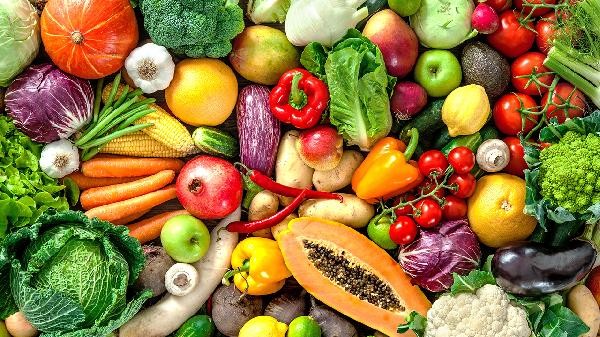
2. Alkaline Fruits
Bananas are rich in potassium and magnesium ions, and after ripening, organic acids are converted into sugars with significant alkaline characteristics. Although lemon has a sour and astringent taste, the citric acid it contains is completely metabolized in the body to produce alkaline salts, making it a strongly alkaline fruit. Watermelon contains a large amount of citrulline and potassium salts, and its metabolites are mainly alkaline with significant diuretic effects. Apples contain malic acid and citric acid, which produce alkaline substances after the tricarboxylic acid cycle. The alkalinity of the skin is higher than that of the flesh. Tartaric acid in grapes is metabolized to produce alkaline salts, and dark varieties also contain more mineral components.

Increasing the intake of alkaline vegetables and fruits in daily diet can neutralize excessive acidic metabolites in the body. It is recommended to pair alkaline foods with acidic foods such as grains and proteins to avoid long-term monoculture. For individuals with abnormal kidney function or requiring special dietary control, dietary adjustments should be made under the guidance of a nutritionist. Maintain a daily intake of 300-500 grams of vegetables and 200-350 grams of fruits, and pay attention to variety, which can ensure the intake of alkaline substances and obtain comprehensive vitamins and phytochemicals.








Comments (0)
Leave a Comment
No comments yet
Be the first to share your thoughts!