
Alkaline fruits and vegetables refer to foods that produce alkaline substances after human metabolism, which help maintain acid-base balance in the body. They mainly include spinach, bananas, broccoli, apples, lemons, etc. These types of foods are usually rich in minerals and dietary fiber, making them suitable for a balanced daily diet.
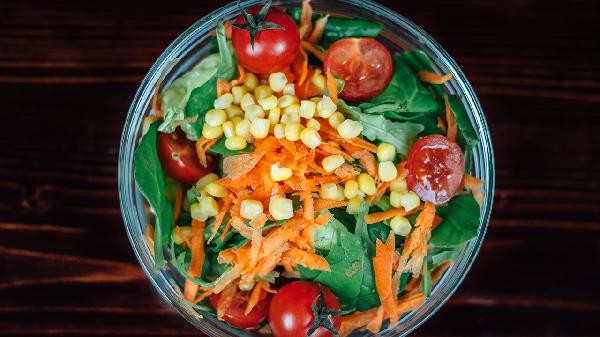
1. Spinach
Spinach is a typical alkaline vegetable, rich in minerals such as potassium and magnesium, which are metabolized to produce alkaline products. Its high content of chlorophyll and dietary fiber helps promote gastrointestinal peristalsis and improve digestive function. The oxalic acid in fresh spinach can be significantly reduced after blanching, making it more suitable for long-term consumption.
2. Bananas
Although bananas have a sweet and greasy taste, they are alkaline fruits that are rich in potassium and can neutralize acidic metabolites in the body. Mature bananas contain resistant starch and pectin, which can provide long-lasting energy and regulate the balance of gut microbiota. Green bananas have stronger alkalinity, but it should be noted that unripe bananas may cause gastrointestinal discomfort.
3. As an alkaline vegetable of the Brassicaceae family, broccoli contains active ingredients such as glucosinolates, which are converted into isothiocyanates in the body to exert antioxidant effects. Its rich vitamin C and calcium produce alkaline residues during metabolism, and it is recommended to use steaming to retain more nutrients.
4. Apples
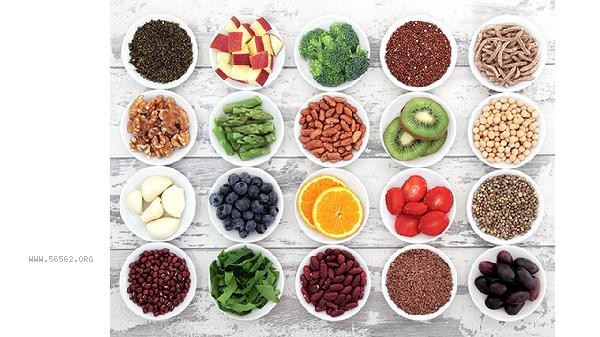
Apples contain organic acids such as malic acid and citric acid, but they undergo alkaline reactions after metabolism. Polyphenols and soluble dietary fiber in fruit peels have the function of regulating blood lipids. The alkalinity of different varieties of apples varies, and it is recommended to consume them with the skin intact to obtain more antioxidant components.
5. Lemon
Despite its sour and astringent taste, lemon is a strongly alkaline fruit, and its citric acid is completely metabolized into bicarbonate in the body. Rich in vitamin C and flavonoids, it can enhance vascular elasticity. It is recommended to dilute and drink lemon water to avoid direct stimulation of enamel and gastric mucosa by high concentrations of acidic substances.
Long term intake of alkaline foods should be balanced, as excessive pursuit of alkaline diets may lead to imbalanced intake of certain minerals. It is recommended to combine alkaline vegetables and fruits with whole grains and high-quality protein for consumption, and use low-temperature cooking methods to preserve nutrients. Special populations such as kidney disease patients should adjust their dietary structure under the guidance of a doctor to avoid blindly changing the acid-base intake ratio and affecting electrolyte balance. Regularly check the pH value of urine in daily life and adjust the dietary plan based on personal feelings.








Comments (0)
Leave a Comment
No comments yet
Be the first to share your thoughts!