
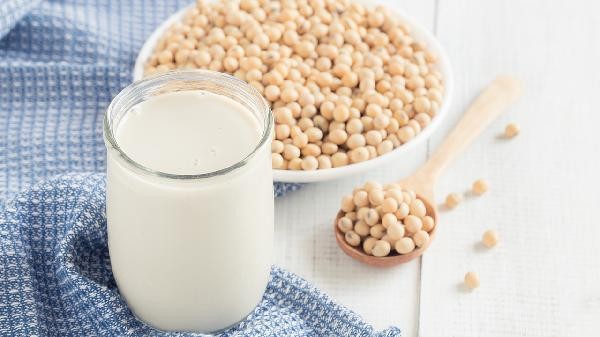
The bean dregs from soybean milk can be eaten or used for cooking. They are rich in dietary fiber and protein, and are suitable for making bean dregs cakes, bean dregs Mantou, or adding them to soup Congee. The processing methods of soybean dregs mainly include direct consumption, processing into other foods, use as fertilizer, feeding poultry, making facial mask, etc.
1.
Fresh bean dregs can be directly added to Congee and soup to increase dietary fiber intake. Soybean residue is rich in soy protein and calcium, which helps promote gastrointestinal peristalsis, but intake should be controlled to avoid bloating. It is recommended that first-time users observe gastrointestinal reactions and consume in moderation.
2. Processed food
The bean dregs can be mixed with flour to make bean dregs Mantou, bean dregs pancake, etc., so as to enhance the nutritional value of food. Adding eggs or vegetables can improve the taste, which is suitable for breakfast or Dim sum. The water absorption of soybean residue is strong, and the proportion of ingredients needs to be adjusted to ensure the softness of the finished product.
3. Fertilizer Utilization
Fermented soybean residue can be used as organic fertilizer to provide plants with nutrients such as nitrogen, phosphorus, and potassium. Mixing soybean residue with soil for composting can improve soil structure and is suitable for home potted or vegetable garden planting. Pay attention to sufficient fermentation to avoid burning the roots.

4. Poultry feed
Soybean residue is rich in plant protein and can be used as a supplementary feed for poultry such as chickens and ducks. It is recommended to steam and sterilize before feeding, and mix with other feed to improve palatability. It is necessary to control the feeding amount to avoid indigestion in poultry.
5. Beauty use
Soybean dregs contain soybean isoflavones and vitamin E, which can be used to make moisturizing facial mask. Mixing soybean residue with honey or yogurt and applying it to the face can help soften keratin and moisturize the skin. Sensitive skin needs to undergo local testing before use to avoid allergic reactions.
Bean dregs belong to high fiber foods, and those with weak gastrointestinal function should consume them in small amounts and in portions to avoid excessive intake at once, which can cause bloating. When cooking, absorption can be improved by fully heating or pairing easily digestible ingredients. Unused soybean residue is recommended to be refrigerated and used up within two days. Fermented fertilizers should be stored in a sealed container in a cool place. Reasonable daily use of soybean residue can not only reduce waste, but also add healthy choices to diet and home life.








Comments (0)
Leave a Comment
No comments yet
Be the first to share your thoughts!