
The soybean dregs after fried soybean milk can be made into a variety of nutritious food to avoid waste and increase dietary fiber intake. Soybean dregs are rich in dietary fiber, vegetable protein and minerals, suitable for processing into soybean dregs cakes, soybean dregs Mantou, soybean dregs balls, soybean dregs stir fried vegetables or soybean dregs facial mask and other uses.
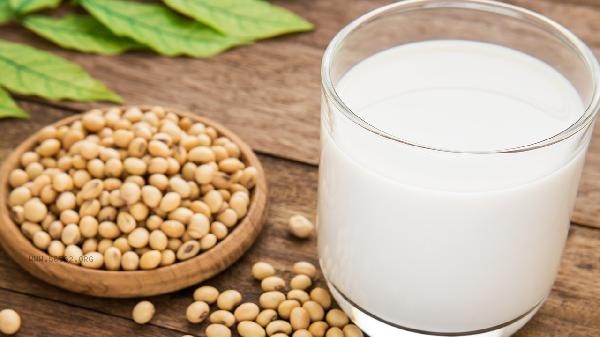
1. Bean dregs cake
Mix bean dregs with flour and eggs, add a small amount of seasoning, and fry to make a cake. Bean dregs cake has a crispy texture and can retain the dietary fiber and protein in the bean dregs, making it suitable for breakfast or as an extra. The dietary fiber in soybean residue helps promote gastrointestinal peristalsis and aid digestion.
2. Soybean residue Mantou
Mantou is made by adding soybean residue and yeast into flour for fermentation. The bean dregs Mantou is soft and can increase the nutritional value of staple food. The plant protein in soybean residue complements grain protein, improving protein utilization and making it suitable for family consumption.
3. Bean dregs meatballs
Mix bean dregs with minced meat and vegetables and knead them into meatballs, which can be fried or steamed. Bean residue meatballs can reduce meat consumption and increase dietary fiber intake, making them suitable for people who need to control their fat intake. The calcium and iron in soybean residue also help to supplement minerals.
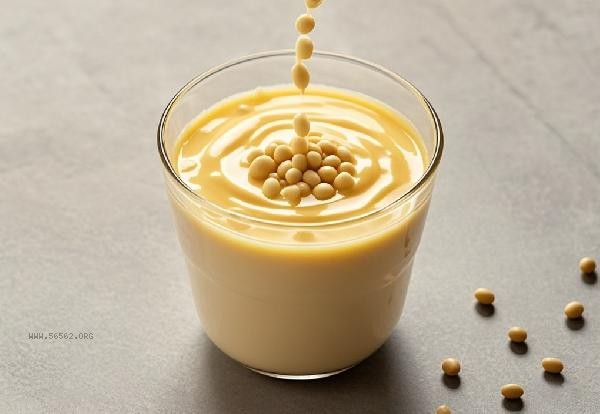
4. Stir fry soybean residue with vegetables such as carrots and green peppers, season and serve. Stir frying with soybean residue can preserve the vitamins and dietary fiber of vegetables, making it a low calorie and high nutrient dish. Suitable for people who are trying to lose weight or need to increase their vegetable intake.
5. Bean dregs facial mask
Apply fresh bean dregs mixed with honey or yogurt to cleanse and moisturize. Isoflavones and vitamin E in soybean residue have antioxidant effects on the skin, but tolerance testing is required for sensitive skin before use. Thoroughly clean after use to avoid clogged pores. The reuse of soybean residue not only reduces food waste, but also adds nutrients to daily diet. It is recommended to choose a suitable processing method based on personal taste and needs, and note that soybean residue should be refrigerated and used up within two days. For people with weak digestive function, it is advisable to reduce the intake of soybean residue appropriately to avoid gastrointestinal discomfort. Long term regular consumption of soybean residue products can help improve intestinal health, but it needs to be accompanied by a balanced diet and moderate exercise.








Comments (0)
Leave a Comment
No comments yet
Be the first to share your thoughts!