
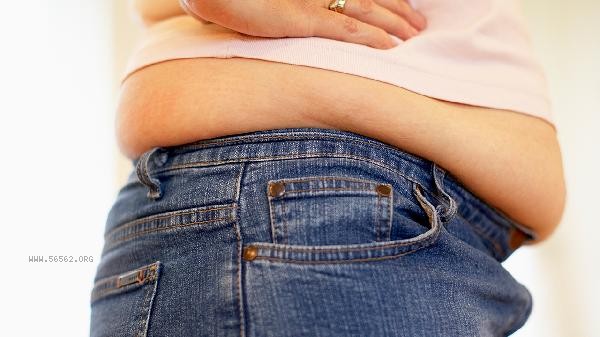
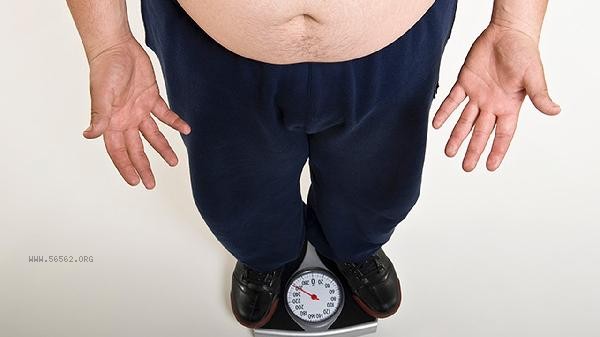
Male abdominal obesity can be reduced by adjusting diet structure, increasing aerobic exercise, strengthening core muscle training, improving lifestyle habits, and medical intervention if necessary. Abdominal fat accumulation is mainly related to factors such as excess calories, metabolic disorders, lack of exercise, changes in hormone levels, and genetic predisposition.
1. Adjust dietary structure
Reduce refined carbohydrates intake such as white rice and noodles, and replace them with whole grains such as brown rice and oats; Control daily total calorie intake and increase the proportion of high-quality protein such as chicken breast and fish; Avoid high sugar beverages and alcohol, increase intake of dark vegetables and low sugar fruits. The main cooking method is steaming and boiling, reducing the use of fried foods.
2. Increase aerobic exercise
Engage in 4-5 moderate intensity aerobic exercises per week, such as brisk walking, swimming, cycling, etc., each lasting 30-45 minutes; Intermittent training mode can be adopted, alternating between high-intensity and low-intensity training for a short period of time; During exercise, the heart rate is maintained within the aerobic fat burning range, which is approximately 60% -75% of the maximum heart rate.
3. Strengthen core training
Actions such as plank support, abdominal roll, and Russian rotation can strengthen the transverse and rectus abdominis muscles; Perform resistance training three times a week, using elastic bands or equipment to exercise the core muscle group; Combining respiratory training to activate deep abdominal muscles, improve posture and visceral fat metabolism.
4. Improve lifestyle habits
Ensure 7-8 hours of high-quality sleep every day and avoid staying up late which can lead to elevated cortisol levels; Reduce sedentary time by getting up and moving for 3-5 minutes per hour; Manage stress levels and alleviate anxiety through meditation, deep breathing, and other methods; Quit smoking and limit alcohol consumption to prevent alcohol from inhibiting fat oxidation.
5. Medical intervention measures
For individuals with a BMI exceeding 32 or concomitant metabolic disorders, medication such as Orlistat capsules may be considered under the guidance of a doctor; Severe cases can be evaluated and treated with laparoscopic sleeve gastrectomy; Regular monitoring of liver function, blood lipids, and other indicators is required, and personalized plans should be developed in collaboration with nutritionists.

The process of reducing belly weight requires patience, and it is advisable to lose 0.5-1 kilogram per week. Recording diet and exercise data helps track progress and avoid rebound. If the effect is poor or accompanied by hypertension and abnormal blood sugar after 6 months, timely medical attention should be sought from the endocrinology department. Be aware that excessive weight fluctuations may worsen skin laxity. Warm up and stretch before and after exercise, and supplement with multivitamins and calcium if necessary.








Comments (0)
Leave a Comment
No comments yet
Be the first to share your thoughts!