
During menstruation, weight loss can be achieved through adjusting diet, moderate exercise, ensuring sleep, and maintaining a happy mood, but it is necessary to avoid vigorous exercise or excessive dieting.

1. Adjust diet
During menstruation, it is advisable to eat more iron rich foods such as lean meat and animal liver, which can help replenish the iron lost during menstruation. At the same time, high-quality protein intake should be ensured, such as eggs, milk, etc. Avoid high sugar, high salt, and high-fat foods, reduce intake of refined rice and flour, and increase the proportion of whole grains appropriately. It is advisable to have multiple meals in small quantities, with each meal being about 70-80% full.
2. Moderate exercise
During menstruation, low-intensity exercise such as walking, yoga, etc. can help alleviate discomfort and maintain metabolic levels. Avoid strenuous activities such as running, skipping rope, etc. to prevent worsening discomfort or causing menstrual blood reflux. Exercise time should be controlled within 30 minutes, based on physical comfort.
3. Ensure adequate sleep
Adequate sleep helps regulate hormones and alleviate menstrual edema symptoms. You should ensure 7-8 hours of sleep every day and avoid staying up late. Soak your feet or drink warm milk before bedtime to help you fall asleep and improve sleep quality.
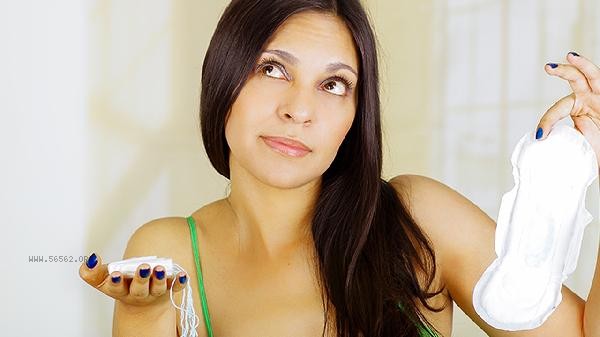
4. Maintain a happy mood
Emotional fluctuations may lead to overeating. You can relax by listening to music, reading, and other methods to avoid excessive attention to weight changes. Proper supplementation of vitamin B can help stabilize emotions and alleviate premenstrual tension.
5. Reasonable drinking water
Maintaining a daily water intake of 1500 * 2000 milliliters and drinking warm water in small amounts multiple times can help promote metabolism and reduce edema. Warm drinks such as brown sugar ginger tea can be consumed appropriately, but excessive consumption of sugary drinks is not recommended.
During menstruation, weight loss should be done gradually and not excessively control diet or increase exercise intensity. Two weeks after menstruation is the golden period for weight loss, and it is advisable to increase the amount of exercise appropriately. If severe discomfort occurs during menstruation, the weight loss plan should be suspended and medical attention should be sought promptly. Maintaining regular eating and exercise habits is more important than sudden weight loss during menstruation.








Comments (0)
Leave a Comment
No comments yet
Be the first to share your thoughts!