
Rice can be deodorized by methods such as ventilation and drying, activated carbon adsorption, tea deodorization, lemon deodorization, and freezing treatment. These methods are easy to operate and can effectively improve the problem of rice odor.
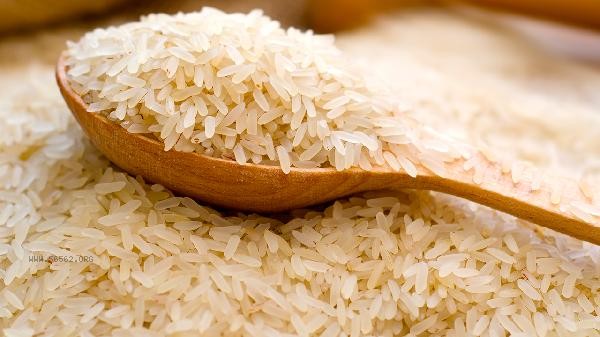
1. Ventilate and air dry
Spread damp rice flat in a clean container and air dry it in a cool and ventilated place for several hours. Avoid direct sunlight that can cause nutrient loss, and remove moldy molecules through air circulation. This method is suitable for situations with slight odors, and it is important to note that the environmental humidity should not be too high.
2. Activated carbon adsorption
Take food grade activated carbon particles wrapped in gauze and bury them in a rice bag for two days. The porous structure of activated carbon can strongly adsorb odorous substances. When using, it is necessary to ensure that the carbon pack does not come into direct contact with rice. The best effect is to mix 50 grams of activated carbon per kilogram of rice.
3. Tea deodorization
Dry green or black tea is packed into tea bags and placed in a rice bowl. The tea polyphenols in the tea can neutralize odors. Use 10 grams of tea for every 5 kilograms of rice, and regularly replace the tea bags. This method has both anti insect effects, but the tea leaves need to be kept dry to avoid secondary moisture.
4. Lemon deodorization
Fresh lemon slices are dried to half dry and placed in a rice bag. Acidic components can decompose odor molecules. Mix 3 slices of lemon with every 3 kilograms of rice, and remove after 24 hours to prevent the rice grains from absorbing water and becoming soft. This method is suitable for short-term storage of small amounts of rice.
5. Freezing treatment
After packaging and sealing the rice, place it in the freezer for 48 hours. Low temperature can inhibit fungal activity and solidify odorous substances. After thawing, it should be used immediately. The freezing process will increase the moisture content of rice, and it is not suitable for long-term refrigeration storage.
To prevent rice odor, attention should be paid to maintaining a dry and ventilated storage environment. It is recommended to use sealed containers and place food desiccants. Seal the rice promptly after each pickup to prevent humid air from entering. Regularly inspect the bottom of the rice tank and immediately remove any clumped or discolored rice. If there is severe mold growth or signs of aflatoxin contamination, it is not recommended to continue consuming. It can be stored together with natural moisture-proof materials such as Sichuan pepper and garlic in daily life, which can prevent insects and delay mold growth.








Comments (0)
Leave a Comment
No comments yet
Be the first to share your thoughts!