
The simplest way to store peanuts with shells is to seal and refrigerate them. The key to storing peanuts with shells lies in moisture, insect, and oxidation prevention, mainly through sealed bag refrigeration, desiccant moisture prevention, vacuum packaging, cool and ventilated storage, and regular inspection for mold growth.
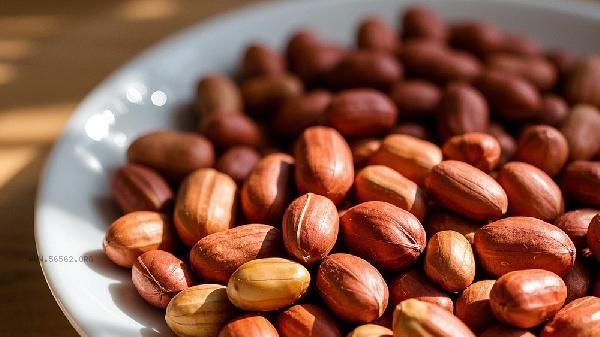
1. Sealed bag refrigeration
Put peanuts with shells into food grade sealed bags or freshness boxes, exhaust the air, and place them in the refrigerator compartment. Low temperature can delay oil oxidation, and sealing can isolate moisture and odors. It is recommended to control the refrigeration temperature at around 4 degrees Celsius to avoid freezing and causing the shell to crack. This method is suitable for short-term storage and can maintain the taste of peanuts for about 3 months.
2. Moisture proof desiccant
Place food desiccants or quicklime packs in storage containers and place them in layers with peanuts. Desiccants can absorb moisture from the environment and prevent peanuts from getting damp and moldy. It should be noted that desiccants should not come into direct contact with peanuts, and it is better to replace them once a month. Suitable for southern regions with high humidity, it can be stored for 4-6 months at room temperature.
3. Vacuum Packaging
Use a household vacuum machine to evacuate the air inside the packaging bag, completely isolating oxygen and moisture. Vacuum state can inhibit the growth of mold and insect eggs, while preserving the original flavor of peanuts. Unopened vacuum packaged peanuts can be stored in a cool place for more than 1 year. After opening, they should be consumed as soon as possible or transferred to a sealed container.
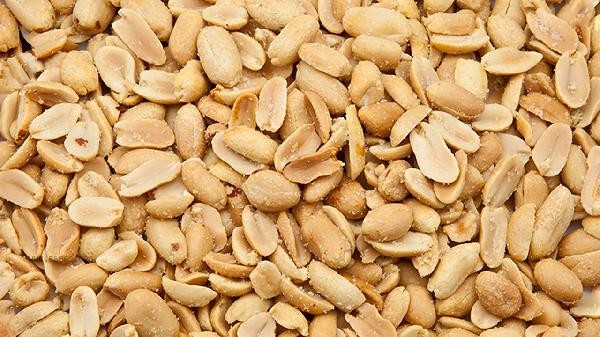
4. Store in a cool and ventilated place
Put peanuts into breathable woven bags or bamboo baskets and hang them in a dry and ventilated place away from light. The traditional method uses air circulation to prevent heat accumulation and mold growth, which is suitable for short-term storage of small amounts of peanuts. Avoid high temperature and high humidity environments such as kitchens, regularly flip and inspect, and it is recommended to consume within 2 months.
5. Regularly check for mold
Regardless of the storage method used, peanuts should be checked monthly for mold spots, halitosis, or insect infestation. Moldy peanuts can produce aflatoxin, and any abnormalities should be discarded immediately. During inspection, random samples can be taken and peeled to observe the color of the peanut kernels. Normal peanut kernels should be milky white or light pink. During storage, shelled peanuts should be avoided from being mixed with strongly scented foods such as seafood and spices. If stored for a long time, peanuts can be sun dried thoroughly for 1-2 days before sealing. It is recommended to cool the peanuts back to room temperature before consumption for a better taste. For shelled peanuts, it is recommended to divide them into small portions and store them frozen. Use them as needed each time to reduce repeated thawing. The recommended daily storage amount is 3 months of consumption, as fresh peanuts have higher nutritional value.








Comments (0)
Leave a Comment
No comments yet
Be the first to share your thoughts!