
The failure of pomegranate flowering and fruiting may be caused by insufficient pollination, nutritional imbalance, incorrect water management, invasion of pests and diseases, improper pruning, and other reasons.
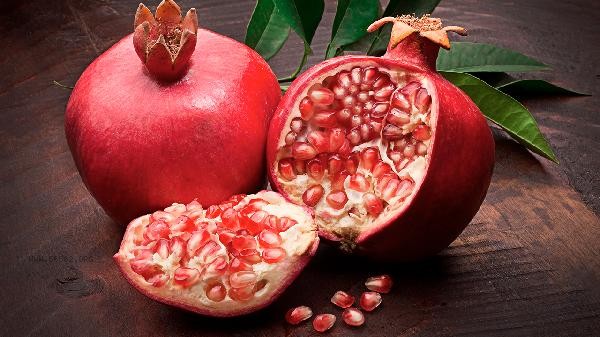
1. Insufficient Pollination
Pomegranate belongs to cross pollination plants. If there is a lack of pollinating insects in the planting environment or only a single variety is planted, it will result in ineffective pollen transmission. Continuous rainy weather during the flowering period can also hinder the pollination process. It can be improved through artificial pollination, by dipping stamen pollen with a brush and lightly touching the stigma of the pistil, or by intercropping different varieties of pomegranate to increase the probability of natural pollination.
2. Nutritional imbalance
Excessive nitrogen fertilizer can promote excessive growth of branches and leaves and inhibit flower bud differentiation, while insufficient phosphorus and potassium elements can affect flower organ development. It is recommended to apply mature organic fertilizer before flowering and spray potassium dihydrogen phosphate solution on the leaves during flowering. Soil boron deficiency can lead to abnormal development of pollen tubes, and borax can be applied per acre to supplement trace elements.
3. Water management errors
Excessive soil moisture during flowering can easily cause flower and fruit drop, while drought can lead to flower bud shedding. The soil should be kept moist but not waterlogged, and water supply should be increased during the fruit swelling period. Avoid watering during the high temperature period at noon, as excessive temperature differences may cause physiological fruit drop.
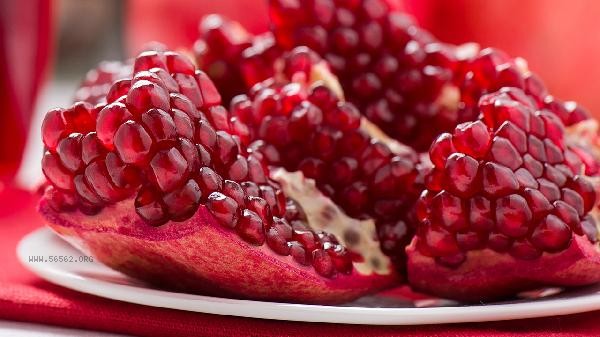
4. Invasion of pests and diseases
The feeding of young fruits by peach moth larvae can lead to early fruit drop, and it is necessary to spray Bacillus thuringiensis preparations after flowering. Anthrax infection can cause browning and shedding of sepals. In the early stages of the disease, mancozeb wettable powder can be used for prevention and treatment. Regularly clean up the orchard to reduce the number of pathogenic bacteria.
5. Improper pruning
Excessive pruning will reduce the number of fruiting mother branches, and failure to timely remove excessively long branches will consume nutrients from the tree. Strong annual branches should be preserved as fruiting branches in winter, and the sprouting at the base of the main stem should be removed during the growth period. For plants that have not been pruned for many years, the crown structure needs to be gradually transformed annually.

In response to the phenomenon of pomegranate only flowering without fruiting, it is recommended to conduct soil testing and adjust the fertilization plan. Pay attention to the pollination situation during the flowering period and intervene in a timely manner. Keep the orchard ventilated and transparent, and control the amount of fruit hanging reasonably to avoid weakening of tree vigor. For elderly fruit trees, pruning and renewing branches can be combined with root cutting and fertilization to promote new shoot growth. Choosing varieties with high self flowering and fruiting rates during planting can significantly improve fruit setting rates, such as Tunisian soft seed pomegranate. In daily management, it is necessary to comprehensively regulate water, fertilizer, and light conditions in order to achieve high and stable yields year after year.








Comments (0)
Leave a Comment
No comments yet
Be the first to share your thoughts!