
The planting methods of sunflower seeds mainly include seed selection, soil preparation, sowing methods, field management, harvesting and storage, and other steps.

1. Seed selection treatment
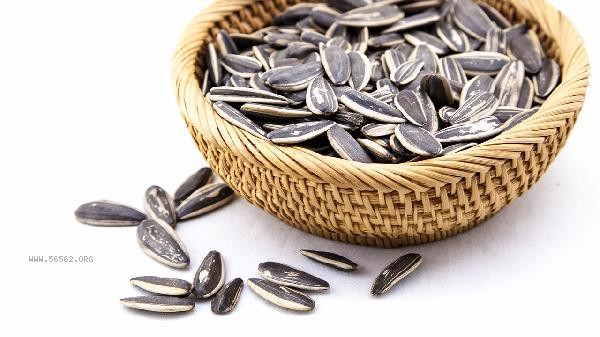
Select sunflower seeds with plump particles and no pests and diseases as seeds. Drying the seeds for 1-2 days before sowing can help improve germination rate. Some varieties require soaking treatment, soaking in warm water for 6-8 hours can promote seed germination.
2. Soil Preparation
Sunflowers are suitable for growing in loose, fertile, and well drained soil. Before planting, it is necessary to deeply plow the land, apply sufficient base fertilizer, and apply decomposed organic fertilizer per acre. The optimal pH value for soil is 6.0-7.5, as excessive acidity or alkalinity can affect plant growth.
3. Sowing Method
Sowing can be done when the ground temperature is stable above 10 ℃ in spring. Adopt hole sowing or strip sowing method, with a sowing depth of 2-3 centimeters, row spacing of 50-60 centimeters, and plant spacing of 30-40 centimeters. After sowing, cover and compact the soil to keep it moist.

4. Field management
During the seedling stage, timely inspection and supplementation of seedlings should be carried out to ensure that the field seedlings are in order. During the growth period, it is necessary to plow and weed 2-3 times, and apply phosphorus and potassium fertilizers before flowering. Pay attention to the prevention and control of pests and diseases. Common diseases include clubroot disease, rust disease, etc. The main pests are aphids, cotton bollworms, etc.
5. Harvesting and Storage
When the back of the sunflower disk turns yellow and the seeds are full, it can be harvested. After harvesting, it is necessary to air dry the seeds in a timely manner to reduce the moisture content of the seeds to below 10%. When storing, pay attention to moisture and rodent prevention, maintain a ventilated and dry environment, and can be stored for a long time.
When planting sunflower seeds, it is important to pay attention to crop rotation to avoid exacerbating pests and diseases caused by continuous cropping. During the growth period, it is necessary to plant in a reasonable and dense manner to ensure ventilation and light transmission. Select suitable varieties based on local climate conditions. Early maturing varieties are recommended in northern regions, while longer growing varieties can be chosen in southern regions. After harvesting, it is necessary to promptly clean up the remaining plants in the field to reduce the overwintering base of pests and diseases. Reasonably fertilize and water, pay attention to the balanced application of nitrogen, phosphorus, and potassium fertilizers, and avoid excessive application of nitrogen fertilizer that may cause excessive plant growth. Through scientific planting management, high-quality and high-yield sunflower seeds can be obtained.








Comments (0)
Leave a Comment
No comments yet
Be the first to share your thoughts!