
Mango can be quickly ripened through methods such as ethylene ripening, high-temperature ripening, fruit mixing, rice burial, and paper bag sealing. Different methods are suitable for different scenarios, and the appropriate method should be selected based on the maturity of mangoes and environmental conditions.
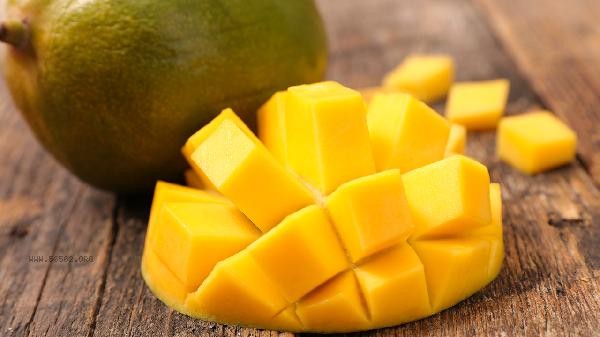
1. Ethylene ripening
Place unripe mangoes and apples or bananas in sealed bags, and the ethylene gas released by these fruits can accelerate mango ripening. Ethylene is a natural plant hormone that can activate enzyme activity inside mangoes to promote the conversion of starch into sugar. It is recommended to check the softness and hardness of mangoes daily to avoid over ripening. This method is suitable for small amounts of mango ripening at home, usually taking effect within 1-48 hours.
2. High temperature ripening
Place mangoes in a warm environment of 25-30 ℃. High temperature can promote mango respiration and accelerate ripening. Can be placed on windowsills or near heating devices such as routers that are not directly exposed to sunlight. Be careful not to exceed 35 ℃, which may cause the flesh to spoil. Flip the mango every 3 hours to ensure even heating. This method is suitable for green mangoes with high hardness, and the ripening time is about 24-72 hours.
3. Fruit mixing
Store mangoes together with respiratory climacteric fruits such as pears and kiwis to accelerate ripening through population effects. The ethylene released from these fruits will form a concentration accumulation effect. It is recommended to use a breathable fruit basket and cover it with a damp cloth to maintain humidity and avoid direct stacking and squeezing of fruits. This method is suitable for simultaneous ripening of large quantities of mangoes, and the effect is about 30% higher than that of ripening alone.
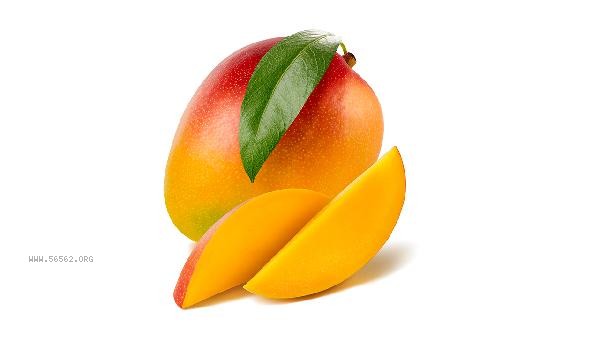
4. Rice Burial
Completely bury mangoes in dry rice, using the insulation and sealing properties of rice to create a microenvironment. Rice can absorb surface moisture from mangoes to prevent mold growth, while also accumulating ethylene gas. It is recommended to choose a deep mouthed container and ensure that the mango is completely covered, flipping it once a day. This method originates from traditional ripening techniques and has unique advantages in maintaining mango aroma. The ripening cycle is about 2-3 days.
5. Paper bag sealing
Wrap the mango separately in a kraft paper bag and tie the bag tightly. The paper bag material can adjust humidity and retain ethylene. A few drops of Baijiu can be put into the bag to enhance the ripening effect, and alcohol steam can soften the pulp fiber. It is recommended to choose paper bags with moderate thickness to avoid excessive breathability and place them in a cool place for daily inspection. This method has good uniformity in ripening and is suitable for scenarios that require high integrity of the fruit peel. During the ripening process, attention should be paid to observing whether there are wrinkles on the mango stem, whether the skin emits fragrance, and whether there is slight sinking when pressed. Avoid using destructive methods such as needle pricking and exposure to sunlight, as they may cause pulp decay. Mature mangoes should be consumed as soon as possible or stored in refrigeration, with a recommended refrigeration temperature of 4-7 ℃. For situations where ripening needs to be delayed, mangoes can be wrapped in plastic wrap and stored separately in the refrigerator's vegetable and fruit compartment. Low temperature environments can inhibit the action of ethylene. Reasonably controlling the degree of ripening can achieve the best taste, while excessively ripe mangoes will significantly reduce their nutritional value.









Comments (0)
Leave a Comment
No comments yet
Be the first to share your thoughts!