
Cupping for weight loss may cause adverse effects such as skin damage, increased risk of infection, and excessive dependence.
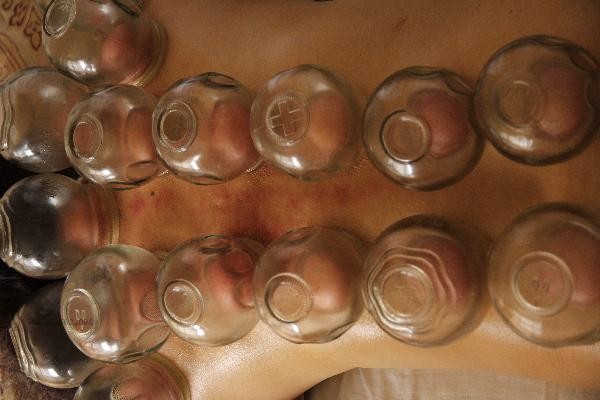
1. Skin injury
Cupping may cause local capillary rupture, resulting in purple red bruising or blisters by negative pressure adsorption of the skin. Especially for people with sensitive skin or improper operation, it is easy to cause epidermal damage, which may be accompanied by itching or pain during the recovery period. Some people may also experience skin pigmentation, which affects their appearance.
2. Infection risk
If the disinfection of the equipment is not thorough or improper care is taken after skin damage, it may cause bacterial infections such as folliculitis and cellulitis. Diabetes patients or those with low immunity are more likely to spread infection. Unstandard operation may also spread blood borne infectious diseases such as hepatitis B and AIDS.
3. Physical discomfort
People with weak qi and blood may experience dizziness, fatigue, and other discomfort after cupping, and excessive cupping can worsen the symptoms of qi deficiency. Some people may experience adverse reactions such as palpitations, nausea, and even fainting due to vagus nerve reflex triggered by negative pressure stimulation.
4. Weight loss rebound
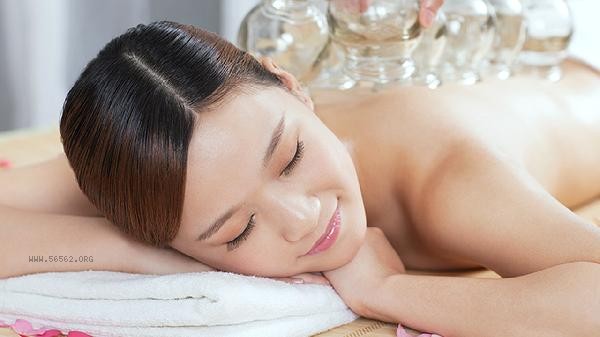
Relying solely on the water expelled from cupping can quickly restore weight and cannot truly reduce fat. If there is a lack of dietary control and exercise after stopping cupping, weight is prone to rebound. Frequent cupping may disrupt the normal metabolic rhythm and instead affect the effectiveness of healthy weight loss.
5. Operational risk
Non professionals may accidentally remove dangerous areas such as the carotid sinus, leading to a sudden drop in blood pressure or thrombus detachment. Improper use of alcohol cotton balls may cause burns, and prolonged use of cupping can cause deep tissue damage. It is difficult to master the negative pressure intensity and location selection when operating on one's own.
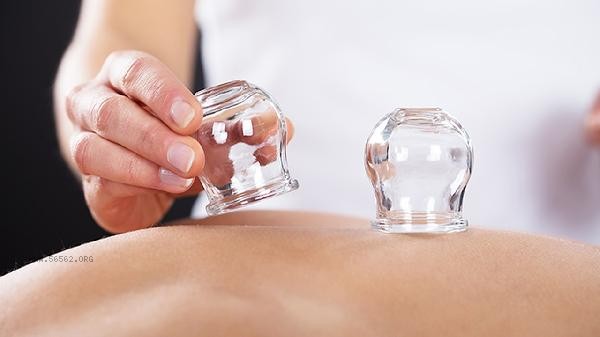
It is recommended to scientifically lose weight through a balanced diet and regular exercise, and cupping should be carried out under the guidance of a professional Chinese medicine practitioner. Pay attention to skin disinfection before and after operation to avoid repeated cupping in the same area. If you experience persistent pain, fever, or skin ulcers, seek medical attention promptly. Cupping therapy is prohibited for patients with cardiovascular diseases, pregnant women, and women during menstruation.








Comments (0)
Leave a Comment
No comments yet
Be the first to share your thoughts!