
When selecting soy sauce, it is recommended to pay attention to core indicators such as brewing process, amino acid nitrogen content, usage classification, additive situation, and brand qualifications. High quality soy sauce is usually brewed using traditional brewing techniques, with a high content of amino acid nitrogen and a simple ingredient list, suitable for different scenarios such as cold mixing or cooking.

1. Brewing process
Traditional soy sauce requires natural fermentation for more than 6 months, and the product packaging will indicate the high salt dilute or low salt solid-state fermentation process. Soy sauce contains hydrolyzed plant protein and other ingredients, with a short fermentation period and poor flavor. The main ingredients listed in the bottle ingredient list are soybeans, wheat, and salt, which are used for pure grain brewing. If there are additives such as caramel color and monosodium glutamate, it is considered as formulated soy sauce.
2. Amino acid nitrogen
This indicator directly reflects the freshness and quality of soy sauce. The content of special grade soy sauce exceeds 0.8 grams per 100 milliliters, and the content of first grade soy sauce is above 0.7 grams. The higher the value, the more complete the fermentation, but exceeding 1.2 grams may be suspected of illegal addition. When purchasing, you can observe the quality grade label on the bottle body and pay attention to the compatibility of soy sauce for different purposes.
3. Usage classification
Light soy sauce is suitable for cold mixing and freshness enhancement, dark soy sauce contains caramel color for braised coloring, steamed fish and soy sauce with seafood sauce is suitable for steaming. Cooking soy sauce requires heating, while serving soy sauce can be consumed directly. Special formulas such as children's soy sauce have low sodium content and organic soy sauce has no chemical pesticide residues.
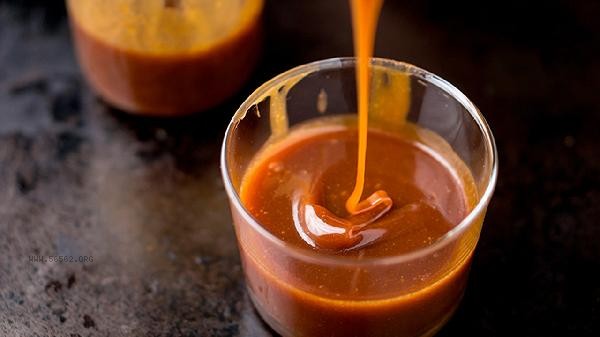
4. Additives
The ingredient list for high-quality soy sauce only includes water, soybeans, wheat, and salt. Be cautious of preservatives such as sodium benzoate, colorants such as caramel color, and flavor enhancers such as disodium nucleotides. Some products are labeled as healthier with zero additives, but it needs to be comprehensively judged based on amino acid nitrogen indicators.
5. Brand Qualification
Select legitimate products with SC food production license, check the factory name, address, and implementation standard number. The inheritance of Chinese time-honored brand craftsmanship is guaranteed, and organic certified products have safer raw materials. Imported soy sauce requires Chinese labels and entry quarantine certificates. When shopping online, pay attention to checking the merchant's qualifications.
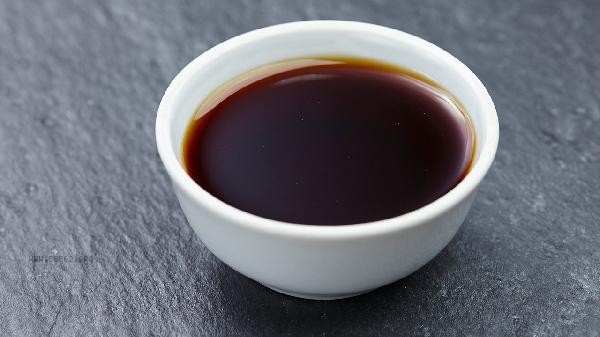
Soy sauce should be stored in a dark and sealed place for daily use. Refrigeration after opening can extend the shelf life. Hypertensive patients should choose low sodium soy sauce, and children are recommended to use a salt reducing formula. When purchasing, you can compare the nutritional composition tables of different brands and prioritize products with high protein content. When cooking, mix different soy sauce according to the characteristics of the dish to avoid damaging the flavor substances due to prolonged high temperature cooking. Regularly changing the type of soy sauce can help maintain a balanced intake of nutrients.








Comments (0)
Leave a Comment
No comments yet
Be the first to share your thoughts!