
The correct method for boiling beef mainly includes five key steps: material selection and processing, blanching to remove fishy smell, controlling the heat, seasoning timing, and slicing techniques.
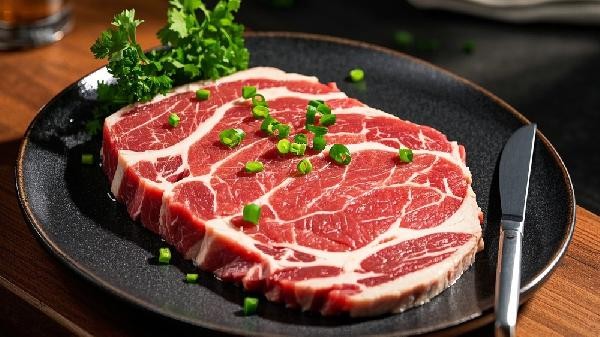
1. Material Selection
Choose fresh beef tendon or beef brisket that is suitable for stewing, and the meat should have an appropriate amount of fascia to enhance the taste. Cut the beef into fist sized chunks and soak them in clean water for half an hour to remove any blood. Cutting along the texture during processing can avoid loose fibers after cooking and retain more meat juice.
2. Blanch to remove fishy smell
Add ginger slices and cooking wine to a pot in cold water, slowly heat over medium heat until boiling. During this period, promptly skim off the foam and continue blanching for 3-5 minutes until no new blood foam is produced. Immediately rinse with warm water after blanching to prevent the meat from shrinking and hardening due to temperature differences.
3. Control the heat
Add sufficient hot water to submerge the beef, bring it to a boil on high heat, then turn it to low heat to maintain a slight boiling state. Using a clay pot or cast iron pot can better maintain a constant temperature, and the stewing time should be controlled within 1.5-2 hours. If chopsticks can easily penetrate it, it is considered fully cooked.
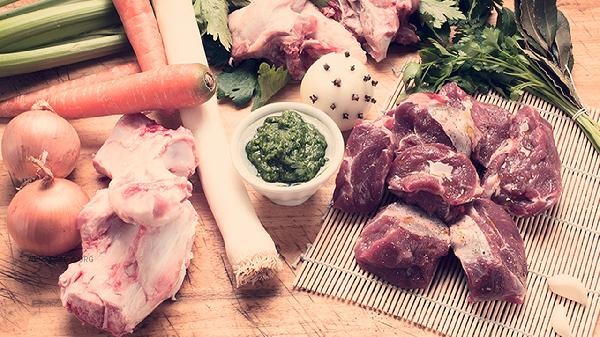
4. Seasoning timing
Add salt when the beef is cooked to 80% done. Adding salt too early can cause protein coagulation and affect the taste. You can add spices such as scallions and fragrant leaves to enhance the flavor, but it should not be too much to mask the original flavor. In the last 10 minutes, add vegetables such as white radish and cook together.
Fifth, Slicing Techniques
After turning off the heat, let the beef naturally cool in the soup until warm, and cut it into thin slices against the fiber direction. Boiling meat juice can be used as a broth, and it is better to dip it with garlic paste, soy sauce, or satay sauce.
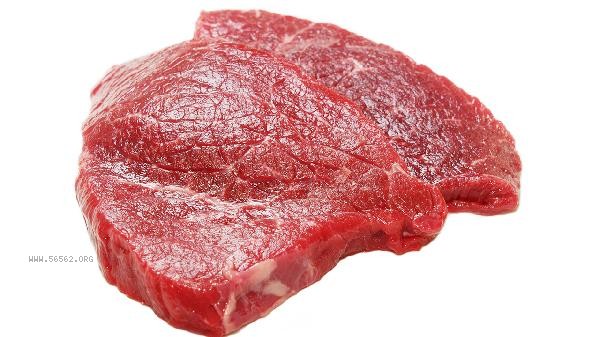
After cooking beef, it is recommended to balance the diet with blanched vegetables. The remaining meat soup can be filtered and frozen for storage. Pay attention to controlling the amount of food consumed, and hypertensive patients should reduce the salt content of dipping sauces. Keep the kitchen ventilated during the cooking process, and thoroughly clean the kitchen utensils after handling raw meat. Choosing grass fed beef is more beneficial for supplementing heme iron, but gout patients should limit their intake frequency. Cold stored boiled beef is recommended to be consumed within 3 days and thoroughly boiled when reheated.








Comments (0)
Leave a Comment
No comments yet
Be the first to share your thoughts!