
Weight loss needs to be achieved through scientific adjustment of dietary structure, reasonable exercise, and multidimensional lifestyle interventions. There is no single "best" method, and the main methods include controlling total calorie intake, increasing aerobic exercise, and ensuring adequate sleep. Weight management should be based on individual differences, avoiding extreme dieting or excessive training. If necessary, medical intervention can be carried out according to medical advice.

1. Control calorie intake
Daily calorie intake should be lower than the sum of basal metabolism and activity expenditure. It is recommended to reduce high sugar and high-fat foods and increase the proportion of vegetables, fruits, and high-quality protein. Adult males are recommended to consume 1500-1800 kcal per day, while females are advised to consume 1200-1500 kcal per day, adopting a small and frequent meal pattern. Avoid excessive calorie reduction that leads to a decrease in metabolic rate, and lose no more than 1% of body weight per week.
2. Aerobic Exercise
Engage in at least 150 minutes of moderate intensity aerobic exercise per week, such as brisk walking, swimming, cycling, etc., maintaining a heart rate of 60-70% of maximum heart rate during exercise. Combining short-term high-intensity interval training can improve fat burning efficiency, and warm-up stretching should be done before and after exercise. Gradually increase the duration and intensity of exercise to avoid joint injuries.
3. Resistance training
Strength training 2-3 times a week can increase muscle mass and improve basal metabolic rate. Use elastic bands, dumbbells, etc. for multi joint compound movements, with a focus on exercising the major muscle groups. Repeat each action 8-12 times, complete 3-4 groups, and rest between groups for 30-60 seconds. An increase in muscle mass can increase daily resting energy expenditure by 5-10%.

4. Sleep regulation
ensures 7-9 hours of high-quality sleep per day, as insufficient sleep can increase levels of ghrelin. Maintain a regular sleep schedule, avoid blue light stimulation before bedtime, and create a quiet and dark environment. During deep sleep, the secretion of growth hormone increases, which helps with fat breakdown. Long term insomnia patients are recommended to seek medical attention to investigate the cause.
5. Behavioral Intervention
Keeping a diet and exercise diary can help establish healthy habits and avoid emotional eating. Set phased goals and self reward, seek family supervision and support. Slow down eating speed through mindfulness diet training, chewing 20-30 times per bite. Cognitive behavioral therapy can improve bad behavior patterns such as overeating and binge eating.
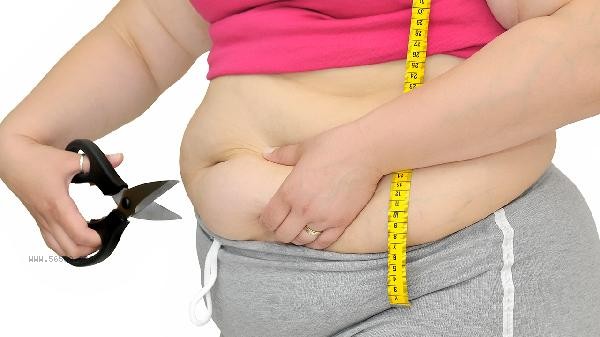
During weight loss, it is recommended to drink at least 2000 milliliters of water per day, with priority given to plain water and light tea drinks. Maintain a balanced diet, ensure intake of vitamins and minerals, and supplement with multivitamins if necessary. Avoid long-term use of meal replacement foods and gradually transition to a normal diet once your weight stabilizes. If chronic diseases such as hypertension and diabetes are combined, personalized plans should be developed under the guidance of doctors. Regularly monitoring changes in body fat percentage and waist circumference is more meaningful than simply focusing on weight.








Comments (0)
Leave a Comment
No comments yet
Be the first to share your thoughts!