
The key to preserving rice lies in moisture, insect, and mold prevention. The best methods include sealed low-temperature storage, vacuum packaging, pairing with desiccants, regular drying, and avoiding high temperature environments.
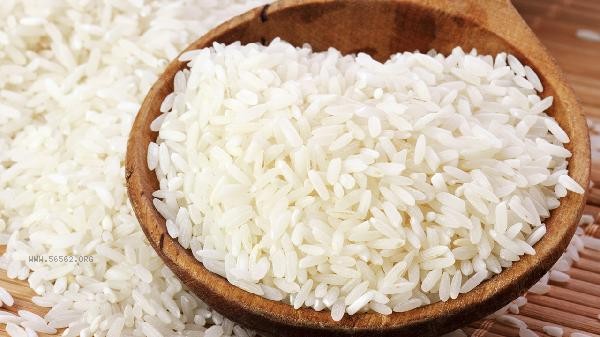
1. Sealed low-temperature storage
Put the rice into a food grade sealed container and place it in a cool and dry place. It is recommended to control the temperature below 15 ℃. Sealing can isolate air humidity, low temperature can delay fat oxidation, and prevent rice from producing aged taste. Kitchen cabinets or balcony storage cabinets are more suitable for avoiding light and avoiding areas close to heat sources such as stoves. If conditions permit, it can be placed in the refrigerator compartment, but attention should be paid to sealing to prevent cross contamination.
2. Vacuum packaging
uses small vacuum bags to package rice, and after vacuuming, isolates oxygen and moisture, which can effectively inhibit the hatching of insect eggs and the growth of mold. Take one bag at a time to reduce the exposure time of remaining rice. Vacuum packaged rice can be stored for a long time at room temperature, making it particularly suitable for humid areas in the south. Pay attention to choosing food grade vacuum bags with moderate thickness to avoid damage during transportation.
3. Combine with desiccant
Place food specific desiccants or natural moisture absorbing materials such as bamboo charcoal bags and Sichuan pepper bags in the rice storage container. Desiccant can absorb residual moisture in the container and keep the rice dry. Bamboo charcoal has dual effects of dehumidification and pest control, and the volatile substances emitted by Sichuan pepper can repel pests such as rice weevils. Regularly replace the desiccant, and it is generally recommended to check the humidity condition once a month.
Fourth, regular drying
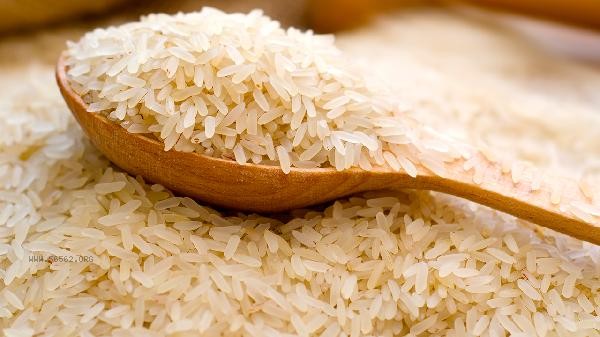
For opened rice, it can be spread out and dried for 30 minutes at regular intervals, choosing a dry, ventilated, and cool place. Drying can evaporate excess moisture, while ultraviolet radiation has a certain bactericidal effect. Be careful to avoid direct sunlight at noon. High temperature exposure can cause more cracks in rice and make it fragile when cooking. When the humidity is high in summer, the drying frequency can be increased to once a week.
Fifth, avoid high temperature environments.
Rice storage environments with temperatures exceeding 25 ℃ can accelerate fatty acid decay and produce a halal flavor. It should be kept away from heat sources such as radiators and electrical vents, and should not be stacked in the attic on the top floor that is exposed to direct sunlight. Prioritize small packaging when purchasing to reduce storage time after a single opening. New rice has a high moisture content, it is recommended to ventilate and dry it before sealing and storing it.
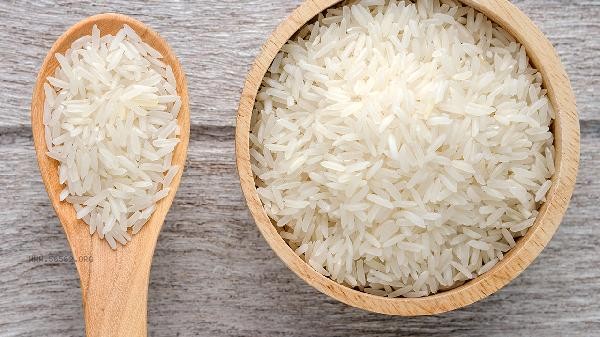
It is recommended to check the status of rice once a month when storing it daily. If lumps, mold spots, or insect infestations are found, they should be dealt with immediately. It can be paired with rice barrels with good breathability, and the bottom is designed with a moisture-proof layer for better performance. Pay attention to the production date and follow the first in, first out principle when purchasing. If purchasing a large amount of rice at once, it is recommended to pack it quarterly and freeze it for 24 hours to kill the insect eggs before storing it at room temperature. Reasonably stored rice can maintain good taste and nutrition, and avoid safety hazards such as aflatoxins.








Comments (0)
Leave a Comment
No comments yet
Be the first to share your thoughts!