
The scientific method of drinking water for weight loss mainly includes regular drinking, temperature control, and adjusting time. Drinking water for weight loss mainly works by increasing satiety, promoting metabolism, and reducing calorie intake.
1. Regular drinking water
Drinking water in small amounts and multiple times at different times every day is the basic method. Drinking 300ml of warm water on an empty stomach in the morning can help activate gastrointestinal function, while drinking 500ml of water 30 minutes before meals can reduce food intake. It is recommended to replenish 100-200 milliliters of water per hour and control the daily water intake at 2000-3000 milliliters. Be careful to avoid drinking a large amount of water in a short period of time, which may cause water poisoning.
2. Temperature Control
Choose 20-30 ℃ warm water for optimal temperature control. Low water temperature may irritate the gastrointestinal mucosa, while high water temperature may damage the esophagus. In summer, a small amount of lemon slices or mint leaves can be added to water to enhance flavor, and in winter, a thermos can be used to maintain a suitable water temperature. Avoid long-term consumption of ice water below 10 ℃ that affects basal metabolic rate.
3. Adjust Time
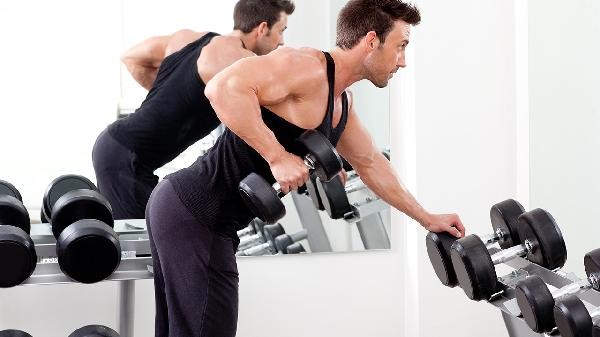
Special hydration is required before and after exercise. Drink 400 milliliters of water 1 hour before exercise, add 150 milliliters every 15 minutes during exercise, and add 500 milliliters of water in installments within 2 hours after exercise. It is recommended to reduce water intake 2 hours before bedtime to avoid affecting sleep quality.
4. Reasonable pairing
Low calorie ingredients such as cucumber slices and broccoli can be soaked and consumed in water. It is not recommended to add sugar or honey. Drinking sugar free light tea such as oolong tea and pu erh tea can help with fat metabolism, but it is important to control caffeine intake and not exceed 300 milligrams per day.
5. Monitoring effect
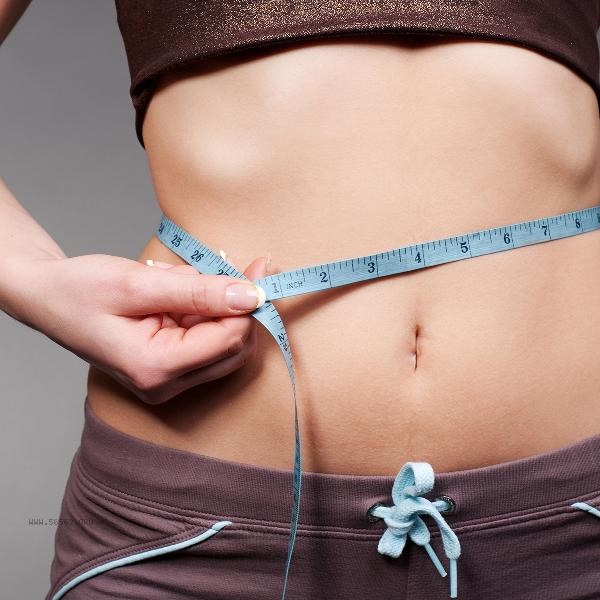
Evaluate the hydration effect by recording daily water intake and urination frequency. Normally, light yellow urine should be maintained 4-6 times a day. To observe changes in satiety with a diet diary, it is recommended to measure waist circumference and other indicators every week, and reasonably control the weight loss rate to 0.5-1 kg per week. When implementing the water based weight loss method, it is necessary to maintain a balanced diet and moderate exercise, and not rely solely on water for weight loss. Patients with diabetes should pay attention to monitoring blood sugar, and patients with kidney disease should control the amount of drinking water. If discomfort symptoms such as dizziness and fatigue occur, adjust the plan in a timely manner, and if necessary, consult a nutritionist to develop a personalized weight loss plan. Long term adherence to good drinking habits combined with a healthy lifestyle can achieve sustained weight loss.








Comments (0)
Leave a Comment
No comments yet
Be the first to share your thoughts!