
The sand in Xiaomi can be cleaned using methods such as immersion filtration, wind screening, manual picking, mesh filtration, magnetic adsorption, etc.
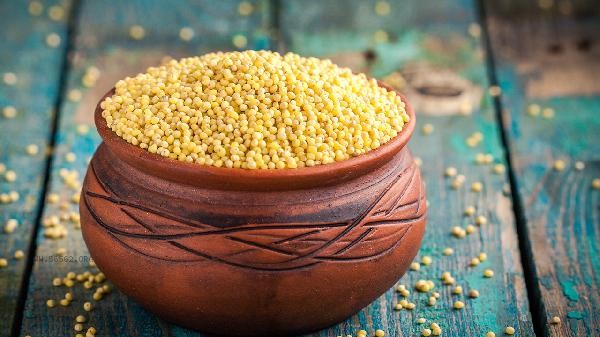
1. Immersion filtration method
Pour the millet into a container filled with clean water and gently stir. If the sand density is higher than the millet, it will naturally sink to the bottom. After settling, tilt the container and pour out the top layer of millet. Repeat the operation to improve the cleaning effect. During operation, the water temperature should not be too high to avoid nutrient loss, and the amount of water should exceed twice the surface of the rice.
2. Wind screening method
Lay millet flat in a dustpan in a ventilated area and use natural wind or low-speed fan to blow it. Lighter millet particles will be blown towards the distance, while heavier sand will remain in place. This method is suitable for operation in dry environments, and attention should be paid to wind control to avoid food waste.
3. Manual picking method
Spread the millet on a well lit white porcelain plate, and directly identify and remove impurities with the naked eye. Sand grains are usually darker in color and have distinct edges, which differ significantly from rice grains. This method is suitable for small-scale fine processing, and it is recommended to wear glasses to assist observation during operation.

4. Sieve filtration method
Select a 40-60 mesh stainless steel sieve, sprinkle the millet evenly on the surface of the sieve and gently shake it. Rice grains fall through the mesh, and larger sand grains will be intercepted. Can be used in conjunction with a tray to receive filtered millet, and the sieve should be cleaned promptly after use to prevent clogging of the mesh.
5. Magnetic adsorption method
If the sand contains iron components, a magnet can be used to wrap the gauze and slowly move it in the pile of rice. Iron sand will be magnetically adsorbed on the surface of the gauze. After treatment, replace the gauze with a clean one. This method is ineffective for ordinary quartz sand and is suitable for millet produced in specific mining areas.
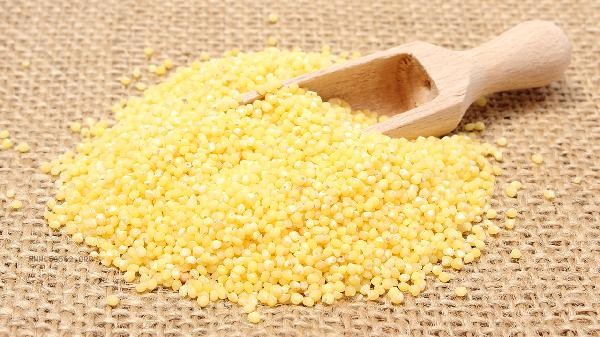
For daily storage of millet, it is recommended to use a sealed container and store it in a cool and dry place. After opening, consume it as soon as possible. When making a purchase, observe the integrity and color of the rice grains. High quality millet usually has lower impurity content. The processed rice washing water contains starch that can be used to irrigate plants, and the cleaning process should avoid excessive rubbing and loss of B vitamins. Regularly check the moisture and insect resistance of the grain warehouse, and place food grade desiccants when storing them together.








Comments (0)
Leave a Comment
No comments yet
Be the first to share your thoughts!