
Boiled noodles can be refrigerated or frozen for storage, with specific methods including sealed refrigeration, packaged freezing, adding cooking oil, draining water, and controlling storage time. Proper storage can extend the shelf life of noodles and maintain their texture.
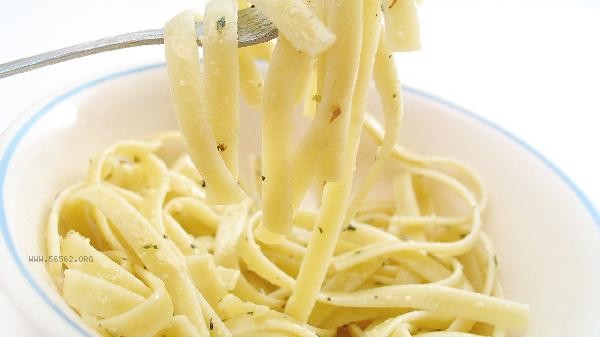
1. Sealed refrigeration
Drain the cooked noodles and place them in a sealed freshness box. Keep the refrigeration temperature below 4 ℃ for 1-2 days. When refrigerated, a thin layer of cooking oil can be applied to the surface of the noodles to prevent adhesion. Before consumption, quickly blanch them in boiling water to restore elasticity. Note that refrigerated noodles should not be mixed with strongly scented foods to avoid mixing flavors and affecting the flavor.
2. Packaging and Freezing
Noodles are packaged according to a single serving amount, wrapped in plastic wrap, and placed in a sealed freezer bag to remove air. They can be stored at -18 ℃ for 2-3 weeks. Freezing can cause the starch in noodles to age. When thawing, it is recommended to heat them directly in boiling water to avoid thawing at room temperature, which can cause the texture to become sticky. Frozen noodles are suitable for eating methods that require secondary cooking, such as stir frying or stewed noodles.
3. Adding cooking oil
When cooking noodles, add a small amount of cooking oil to the water. After cooking, quickly supercool the water and mix in a few drops of sesame oil or olive oil, which can effectively prevent noodle oxidation and adhesion. Oil film can block the contact between noodles and air, and can delay moisture loss during refrigeration storage. This method is only suitable for short-term storage, excessive oil content will affect subsequent seasoning.
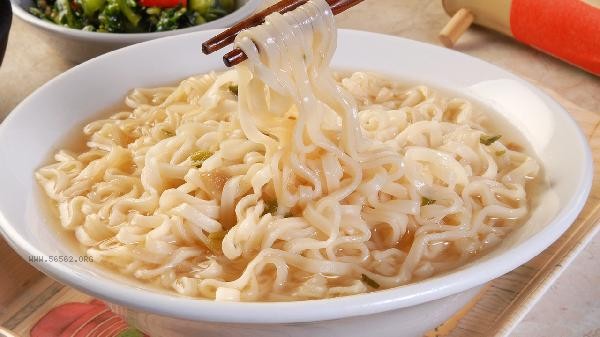
4. Drain Water
Before storage, the surface water of the noodles should be thoroughly drained. They can be dried with kitchen paper or spread out to cool. Residual moisture can accelerate bacterial growth and cause noodle gelatinization, which can easily form ice crystals and damage the structure during freezing. When cooking noodles, control the cooking time to avoid being too soft. Noodles that are about 70-80% cooked are more suitable for preservation, and after reheating, the taste is closer to freshly cooked noodles.
5. Control storage time
It is recommended to consume refrigerated noodles within 24 hours, and frozen noodles should not exceed 3 weeks. Noodles that have been stored for too long may become rancid, spoiled, or frostbitten, and may break and become loose after thawing. If there is any odor, stickiness or mold on the noodles, they should be discarded immediately to avoid gastrointestinal discomfort caused by consuming spoiled food.
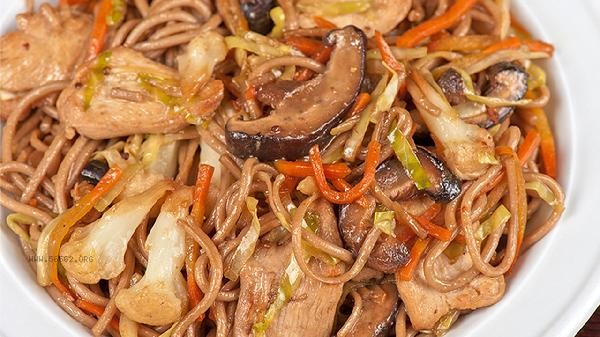
When storing cooked noodles, attention should be paid to cleaning and disinfecting the container to avoid cross contamination. After refrigeration, it is necessary to heat it thoroughly until the center temperature exceeds 70 ℃. For frozen noodles, it is recommended to cook them directly without thawing. Noodles of different materials have different storage times, and egg noodles are more prone to spoilage than regular wheat noodles. It can be paired with vegetables and meat in daily meals such as mixed noodles and stir fried noodles for easy preservation, ensuring nutrition and reducing waste. If long-term storage is required, it is recommended to choose dried noodles that are cooked and eaten fresh.








Comments (0)
Leave a Comment
No comments yet
Be the first to share your thoughts!