
During the weight loss period, you can eat snacks such as konjac refreshing, sugar free yogurt, original nuts, low-fat dried beef, freeze-dried vegetable chunks, etc. in moderation. This type of snack has the characteristics of low calorie, high dietary fiber, or high-quality protein, which helps control appetite and is less likely to cause excessive calorie intake.
1. Food
1. Konjac Shuang
Konjac Shuang is made from konjac flour, with less than 20 calories per 100 grams and containing more than 5 grams of soluble dietary fiber. Its gel like structure can delay the gastric emptying speed, increase the sense of fullness, and is suitable for relieving hunger between meals. Choose the sugar free and low sodium versions.
2. Sugar free yogurt
Sugar free yogurt is rich in protein and calcium, with 100 milliliters containing approximately 50 calories. Lactic acid bacteria help regulate the balance of gut microbiota, while whey protein can help maintain muscle mass. It is recommended to choose products with only raw milk and bacterial strains as ingredients.
3. Original Nuts
Daily intake of 20 grams of original almonds or cashews provides approximately 120 calories and 4 grams of dietary fiber. Unsaturated fatty acids help with lipid metabolism, and chewing movements can generate signals of satiety. Strict control of quantity is required to avoid heat accumulation.
4. Low fat air dried beef
High protein and low-fat air dried beef contains about 70 calories per 30 grams, with a protein content of up to 15 grams. Protein foods have a high thermal effect and consume more energy during the digestion process. Pay attention to choosing products with a sodium content of less than 500 milligrams per 100 grams.
5. Freeze dried vegetable chunks
Freeze drying technology preserves vegetable dietary fiber and vitamins, with 100 grams of pumpkin freeze-dried chunks containing approximately 30 calories. The volume expansion during chewing can fill the stomach space and is suitable as a substitute for puffed foods such as potato chips.

2. Drug
1. Orlistat capsules
are suitable for obese patients by inhibiting gastrointestinal lipase to reduce fat absorption. Adverse reactions such as oily stools may occur, and a low-fat diet should be maintained during use.
2. Metformin hydrochloride enteric coated tablets
can improve glucose metabolism and mildly suppress appetite in insulin resistant obese patients. Individuals with renal insufficiency are prohibited from using it, and lactate levels must be monitored during medication.
3. Liraglutide injection
GLP-1 receptor agonist can delay gastric emptying and act on the central appetite regulation system. Subcutaneous injection is required for use, and common adverse reactions include nausea and vomiting.
4. L-carnitine oral solution
participates in the process of fatty acid oxidation metabolism, and taking it before exercise may improve fat burning efficiency. The effect varies among individuals and is not considered the main weight loss method.
5. Cassia seed hawthorn granule
traditional Chinese patent medicines and simple preparations contains chrysophanol and other ingredients, which can alleviate constipation obesity by promoting intestinal peristalsis. Not suitable for long-term use, may cause electrolyte imbalance.
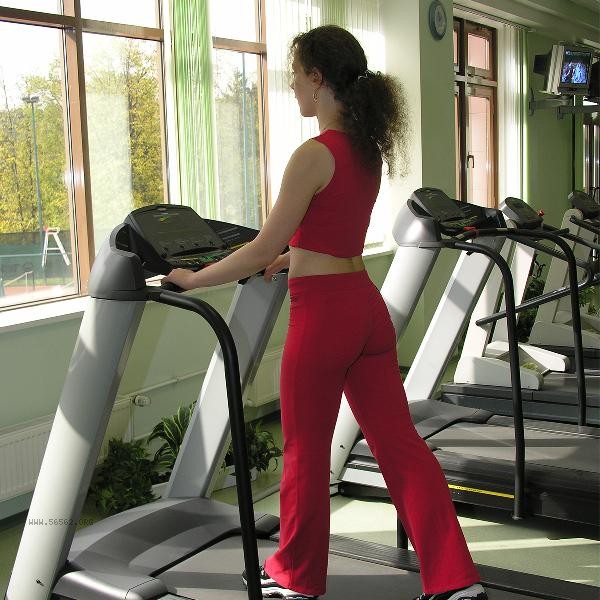
Weight loss snacks should be controlled within 200 calories per day and avoid eating 3 hours before bedtime. It is recommended to engage in 150 minutes of moderate intensity exercise per week and maintain a daily water intake of 2000 milliliters. If you experience discomfort such as dizziness and fatigue, adjust your diet plan in a timely manner, and if necessary, develop personalized recipes under the guidance of a nutritionist. The use of medication must strictly follow medical advice and the dosage cannot be increased or decreased on one's own.








Comments (0)
Leave a Comment
No comments yet
Be the first to share your thoughts!