
It is recommended to cool the food to room temperature before putting it in the refrigerator for refrigeration. Putting hot food directly into the refrigerator can cause the temperature inside the refrigerator to rise, affecting the preservation effect of other foods and increasing the energy consumption of the refrigerator. When the food temperature is too high, it may cause local deterioration due to uneven heat dissipation. Putting hot food directly into the refrigerator for refrigeration can cause a significant increase in the internal temperature of the refrigerator in a short period of time. This temperature fluctuation not only accelerates the spoilage rate of other refrigerated foods, but may also overload the refrigerator compressor. After high-temperature steam condenses in a closed space, it is easy to form water droplets on the surface of food, creating conditions for microbial growth. Some ingredients, such as green leafy vegetables, are more prone to producing nitrite in high temperature and high humidity environments. Fully cooled food refrigeration can maintain stable refrigerator temperature, but prolonged storage at room temperature poses a safety hazard. When cooked food is exposed to temperatures between 20-40 degrees Celsius for more than two hours, the rate of bacterial growth significantly increases. Starch based foods such as rice and noodles are prone to breeding Bacillus cereus at room temperature, while protein based foods such as poultry, fish, and shrimp may produce Staphylococcus aureus toxin. For soup foods that require rapid cooling, they can be stirred in ice water and cooled to below 60 degrees Celsius before refrigeration.
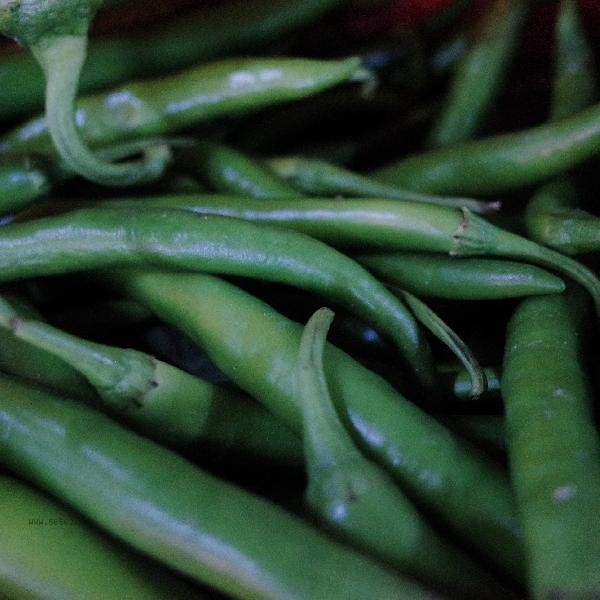
It is recommended to use shallow containers to pack leftovers for daily storage to accelerate heat dissipation, and ensure that the steam dissipates before covering. Different ingredients need to be stored separately, with poultry and meat refrigerated for no more than 3 days and leafy vegetables refrigerated for no more than 24 hours. When reheating, it is necessary to ensure that the center temperature reaches 75 degrees or above, and soup foods should be boiled and heated continuously for 3 minutes. Regularly cleaning the inner walls and sealing strips of the refrigerator and keeping the temperature below 4 degrees can effectively inhibit bacterial growth.








Comments (0)
Leave a Comment
No comments yet
Be the first to share your thoughts!