
Dried peanuts are more suitable for storage at room temperature, and can be refrigerated for short-term storage but need to be moisture-proof. The storage method of dried peanuts is mainly affected by factors such as humidity, oxidation rate, mold risk, taste changes, and storage containers.
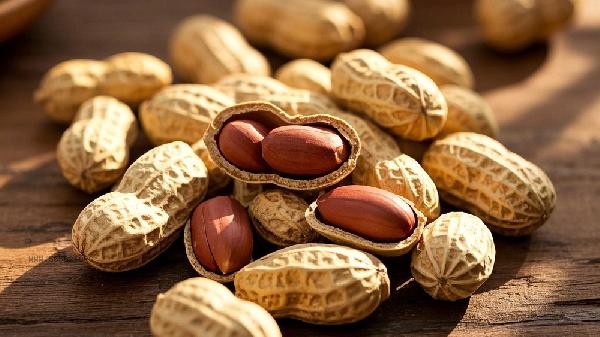
1. Humidity Influence
Dry and ventilated conditions should be maintained at room temperature, as humidity exceeding a certain range can easily cause peanut to absorb moisture and deteriorate. Sealed containers and food desiccants can be used in humid areas of the south to prevent mold growth caused by water vapor infiltration. If the refrigeration environment is not tightly sealed, condensed water will accelerate moisture absorption.
2. Oxidation rate
Peanuts contain a high amount of unsaturated fatty acids, and their oxidation rate is faster when stored at room temperature. Refrigeration can delay oil oxidation, but low temperatures can cause the texture of peanuts to harden and the texture to peel after thawing. If long-term storage is required for more than three months, it is recommended to vacuum pack and freeze.
III. Risk of mold growth
Aflatoxin contamination is the main risk for peanut storage, and a room temperature environment of 25-30 ℃ is more conducive to mold growth. Although refrigeration inhibits mold, it cannot eliminate the toxins that have already been produced. When purchasing, it is recommended to prioritize fresh, dry, and mold free raw materials. Moldy peanuts should be discarded immediately.
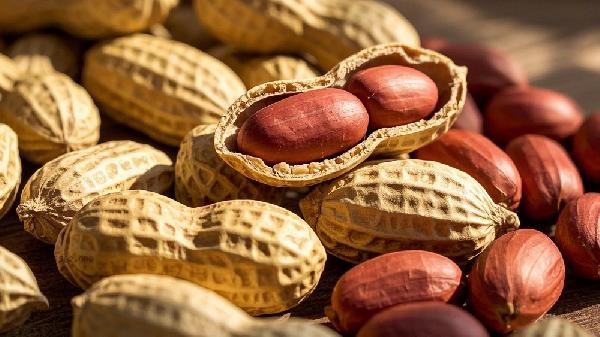
Fourth, Taste Changes
Peanuts stored at room temperature can maintain a crispy texture, but they are prone to losing their brittleness after refrigeration. If refrigeration is required, it is recommended to use an oven or wok for low-temperature reheating to remove moisture, but repeated temperature changes can accelerate fat spoilage. Short term storage can be refrigerated after consumption within one week.
Fifth, storage containers
Regardless of room temperature or refrigeration, sealed containers should be used to avoid light. Glass cans are superior to plastic cans in preventing odor contamination, while metal cans need to be lined with food grade aluminum foil to isolate oxygen. Large packaged peanuts can be divided into small portions to reduce the number of opening and closing times and lower the probability of oxidation.
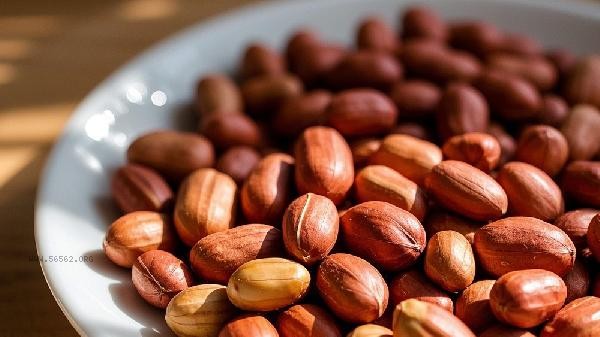
It is recommended to choose a cool and dry cabinet for daily storage of dried peanuts, avoiding direct sunlight and high temperatures near the stove. Check monthly for any signs of halia or mold, and consume in small quantities as soon as possible. When refrigeration is required in special circumstances, it is necessary to ensure that the container is completely sealed, and after removal, it should be restored to room temperature before opening to prevent condensation. Peanuts are rich in nutrients but high in oil content. It is advisable to consume less than 20 grams per day, and those with indigestion should reduce their intake.








Comments (0)
Leave a Comment
No comments yet
Be the first to share your thoughts!