
Bananas are generally not recommended to be stored in the refrigerator as low temperatures can cause the banana skin to turn black, but the flesh can still be consumed. If short-term preservation is required, immature bananas can be wrapped in plastic wrap around the roots and refrigerated. Bananas are tropical fruits that are sensitive to low temperatures. The temperature in the refrigerator compartment is usually around 4 degrees Celsius, much lower than the suitable storage temperature for bananas. When bananas are in a low temperature environment, the cell membrane structure is damaged, which promotes the release of phenolic substances from epidermal cells. Under the action of polyphenol oxidase, enzymatic browning occurs, forming black spots. Although this change does not affect the quality of the fruit flesh, it will accelerate the softening and rotting of the skin. Immature green bananas are even less tolerant to low temperatures, and refrigeration can interrupt the ripening process, causing bananas to remain stiff and inedible. If bananas with high maturity need to be briefly refrigerated, protective measures can be taken. Wrap the banana handle tightly with plastic wrap to reduce the release of ethylene gas and delay overcooking. The peeled banana pulp can be stored in a sealed box for refrigeration to prevent oxidation and discoloration. In tropical regions with high temperatures, bananas can be hung in a cool and ventilated place to remove ethylene gas through air circulation. Ethylene absorbents and temperature controlled containers are commonly used in commercial transportation, and bananas can be wrapped in newspapers at home to reduce mechanical damage.
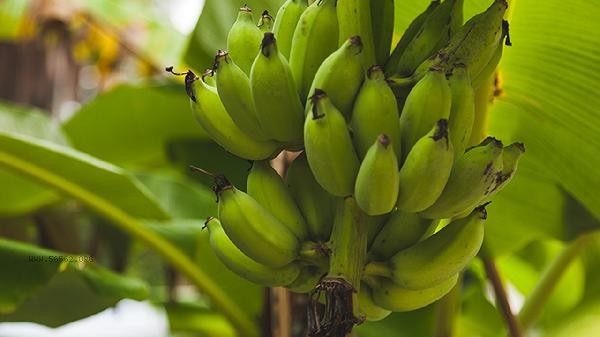
When storing bananas, avoid mixing them with fruits such as apples and pears that release a large amount of ethylene. It is recommended to consume ripe bananas as soon as possible. If you need to extend the shelf life, you can peel, cut and freeze bananas to make smoothies or baking ingredients. Frozen bananas can be stored for a longer time without affecting their nutritional value. When making daily purchases, choose bananas with green and yellow skin and no mechanical damage, and ripen them in batches as needed for better preservation.








Comments (0)
Leave a Comment
No comments yet
Be the first to share your thoughts!