
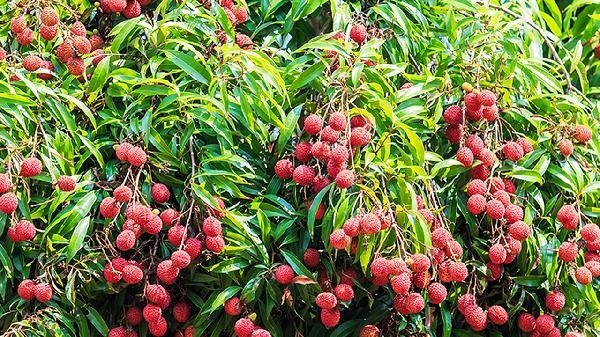
The withering of lychee flower clusters may be caused by abnormal climate, invasion of pests and diseases, nutritional imbalance, improper water management, and tree weakness. It is necessary to determine the dominant factors based on specific performance and take targeted measures in a timely manner.
1. Abnormal climate
Continuous low temperature and rainy weather during the flowering period can lead to poor pollination, while high temperature and drought can easily cause dehydration of flower organs. Abnormal weather can disrupt the normal physiological activities of lychee flower clusters, especially the sudden late spring cold, which can cause significant damage to lychee flower clusters. Suggest building rain shelters, spraying water to cool down, and other methods to mitigate the impact of extreme weather.
2. Invasion of pests and diseases
Litchi gall mites feeding on flower ear juice can cause tissue deformities and atrophy, and brown water stained lesions appear after infection by downy mildew. Anthrax can cause black rot at the top of flower spikes, and the larvae of stem borers can directly damage the structure of flower spikes. If symptoms are detected, corresponding pesticides should be sprayed in a timely manner to remove diseased and residual bodies in the field.
3. Nutritional imbalance
Excessive nitrogen fertilizer during flower bud differentiation can easily cause branches and leaves to grow vigorously and compete for nutrients in the flower cluster, while boron deficiency can lead to poor pollen development. Insufficient potassium reduces the stress resistance of flower spikes, while calcium deficiency affects the stability of cell walls. It is recommended to increase the application of phosphorus and potassium fertilizers before flowering, supplement trace elements on the leaves, and avoid biased application of nitrogen fertilizers.
4. Improper water management
Excessive soil moisture during flowering can lead to root rot and hypoxia, while excessive drought can limit nutrient transport. Water accumulation can cause root suffocation and death, and sudden drying and wetting are more likely to trigger physiological flower drop. The soil moisture should be maintained at around 60%, and attention should be paid to drainage during the rainy season. Drip irrigation should be used for water replenishment during drought.
5. Weakness of tree body
Excessive fruit hanging consumes tree reserves, improper pruning affects ventilation and light transmission, and the absorption capacity of old tree roots decreases. Soil compaction restricts root development, and continuous cropping leads to the accumulation of harmful substances. Reasonable control of fruit yield, improvement of soil structure, and regular updating of fruiting mother branches are necessary.
To prevent the withering of lychee flower clusters, it is necessary to strengthen comprehensive management, apply organic fertilizers and biostimulants before and after the flowering period to enhance tree vigor, and conduct regular inspections to detect pests and diseases early. Keep the orchard ventilated and transparent, and avoid using foliar fertilizers with high concentrations. Withered flower spikes should be pruned in a timely manner to reduce nutrient consumption, while also doing a good job of clearing the garden to reduce the pathogen base. Reasonable planning of planting density and selection of resistant varieties can effectively reduce the probability of abnormal flower spikes.








Comments (0)
Leave a Comment
No comments yet
Be the first to share your thoughts!