
When frying food, the overflow of oil is mainly related to factors such as high moisture content, improper oil temperature control, excessive oil content, irregular shape of ingredients, and inappropriate selection of cookware.
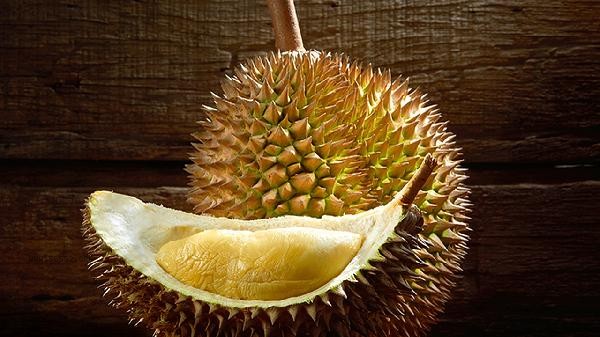
1. High moisture content
The surface or internal moisture of food rapidly vaporizes at high temperatures, forming steam that breaks through the oil layer and causes splashing. This is particularly evident when fresh vegetables, frozen foods, or pickled ingredients are directly put into the pot without sufficient draining. It is recommended to use kitchen paper to absorb surface moisture before frying, and frozen foods should be thawed in advance.
2. Improper control of oil temperature
When the oil temperature is too low, the oil absorption of food increases, the rate of water release slows down, and accumulation can easily cause explosive boiling; If the oil temperature is too high, it will accelerate the evaporation of water and cause severe boiling. Using a food thermometer to monitor oil temperature and maintaining a stable temperature range of 160-180 ℃ can effectively reduce oil spills.
3. Excessive oil content
When the loading capacity of the oil pot exceeds one-third of the container capacity, boiling oil foam is prone to overflow. The amount of oil should be controlled according to the volume of the ingredients, and a sufficient safe distance should be maintained between the oil surface and the edge of the pot during frying. Wide mouthed deep fryers are more suitable for deep frying operations than shallow fryers.
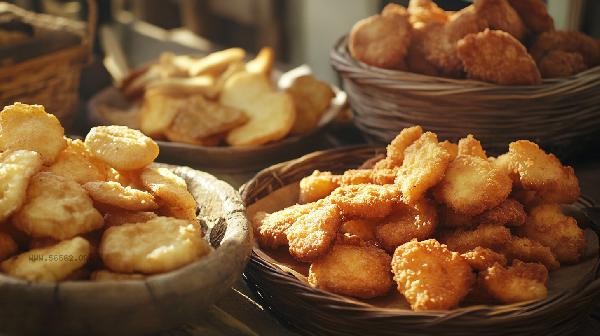
4. Irregular shape of ingredients
Ingredients with uneven or sharp edges on the surface can damage the oil surface tension, such as meat and vegetables, cauliflower, etc. Large pieces of food can be divided into uniform small pieces, or coated with starch paste to form a protective layer, reducing oil surface disturbance.
5. Inappropriate selection of cookware
Flat bottomed pans are more prone to splashing due to shallow oil layers. It is recommended to use high edge cast iron pots or specialized fryers. Thin pot bottom can cause local overheating, while thick pot bottom can maintain even temperature distribution. electromagnetic stove users need to choose magnetic conductive composite bottom material to avoid dry burning.
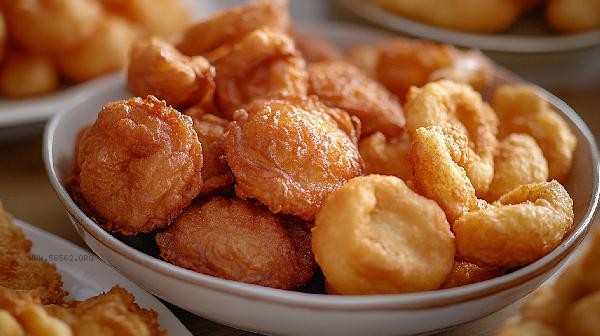
Preventing oil splashing requires comprehensive control of multiple variables: selecting ingredients with low moisture content or pre processing dehydration, using a thermometer for precise temperature control, ensuring that the oil content does not exceed one-third of the pot capacity, cutting the ingredients into evenly sized blocks, and equipping them with specialized fryers of sufficient depth. During the frying process, a half covered lid can be prepared to prevent splashing, but a steam outlet should be left to avoid pressure accumulation. After cooking, wait for the oil temperature to reach a safe level before filtering and storing. The number of repeated uses should not exceed three times. If a small-scale oil fire occurs, the fire source should be immediately turned off, and a pot cover should be used to isolate the air and extinguish the fire. Do not pour water on it.








Comments (0)
Leave a Comment
No comments yet
Be the first to share your thoughts!