
It is usually recommended to use duck eggs for making Preserved eggs. Duck eggs have high fat content and thick eggshells, which are more suitable for pickling. Eggs can also be used to make Preserved eggs, but the flavor and texture of the finished product will be slightly different.
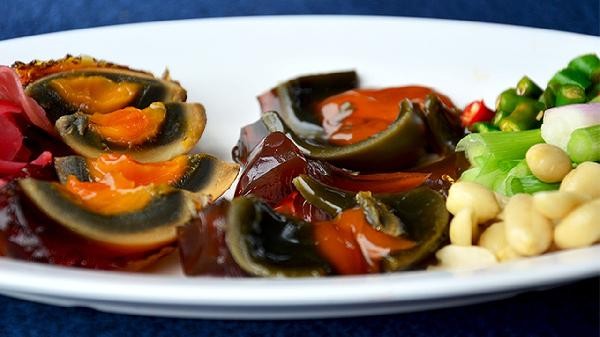
The proportion of protein and fat in duck eggs is more balanced. During curing, it can form more rich amber gel like protein and dark green yolk, with a dense taste and special aroma. The air permeability of duck egg shell is moderate, which is conducive to the slow penetration of lye, making the crystal of Preserved eggs more obvious. In traditional craftsmanship, duck eggs are often wrapped in wood ash or yellow mud, which react with alkaline substances to form a unique flavor.
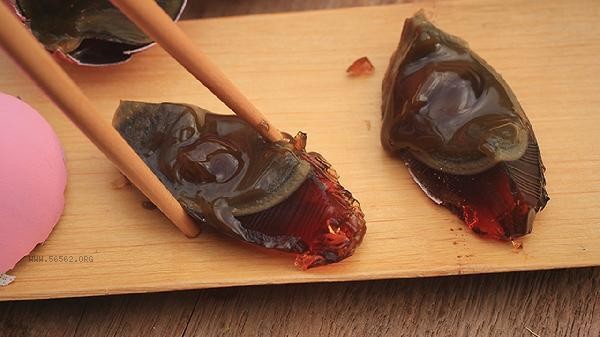
The Preserved eggs protein made from eggs has high transparency, yellow yolk and loose texture. The thin eggshell may lead to rapid alkali penetration and bitter taste. If eggs are used, the curing time should be shortened and the concentration of alkali solution should be controlled to avoid protein liquefaction. Egg Preserved eggs is more suitable for people who are pursuing a light taste, but it should be noted that some egg varieties are not suitable for hypertension patients to overeat due to their high cholesterol content.
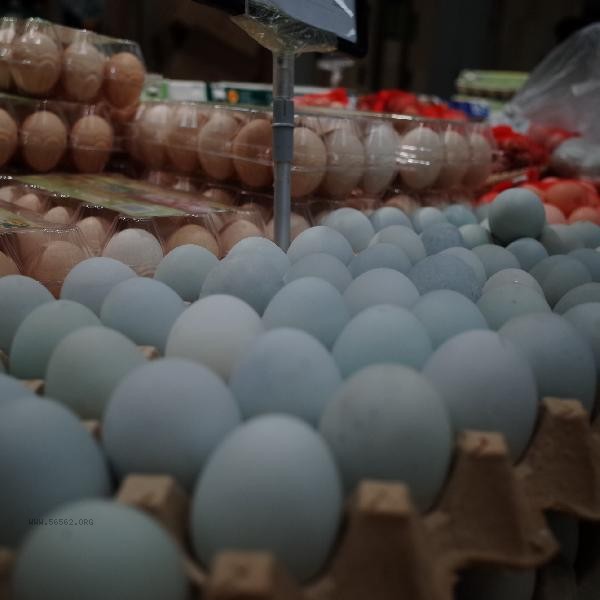
Whether using duck eggs or eggs, it is recommended to choose fresh, crack free eggs, and thoroughly clean the surface of the eggshell before marinating. When consumed with ginger vinegar juice, it can neutralize alkalinity. People with weak gastrointestinal function should control their intake. The temperature and time of self-made Preserved eggs should be strictly monitored to avoid nitrite exceeding the standard. Children and pregnant women are recommended to choose qualified products on the market.








Comments (0)
Leave a Comment
No comments yet
Be the first to share your thoughts!