
The whitening of frozen dumpling skins after cooking is usually related to starch precipitation or improper freezing methods, which can be improved by adjusting the water temperature, thawing method, or adding salt oil. The main reasons include starch aging, freeze-drying, insufficient water temperature, gluten breakage, and insufficient oil.
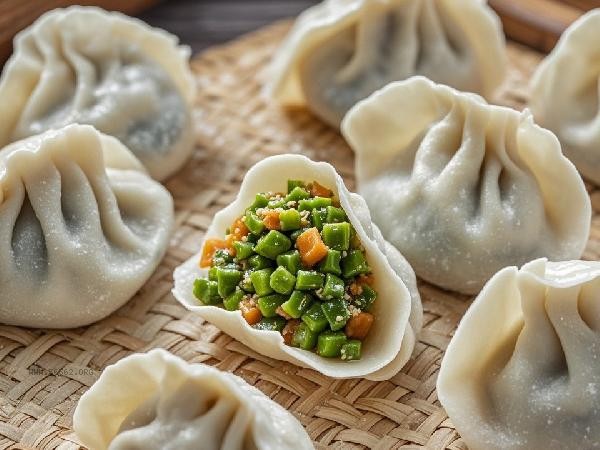
1. Starch aging
During the freezing process, the molecular structure of dumpling skin starch changes, and low temperature leads to the recrystallization of linear starch. During cooking, the outer layer of starch quickly gelatinizes, but the aging starch inside is difficult to fully absorb water, forming a white turbid layer. It is recommended to place the raw dumplings separately before freezing to avoid sticking, and soak them in cold water for a moment before cooking to help the starch soften.
2. Freeze dehydration
Temperature fluctuation in the freezer of the refrigerator will sublimate the moisture of the dumpling skin and form microporous structure on the surface. When boiling water is added to the pot, the water evaporates rapidly, and air is trapped in the gaps between the dough, resulting in white spots. Dumplings can be wrapped in plastic wrap to isolate them from cold air, or frozen quickly to form a band of ice crystals.
3. Insufficient water temperature
The water temperature that has not boiled cannot fully gelatinize the starch, and the protein on the surface of the dumpling skin solidifies prematurely, hindering heat penetration. Make sure the water is completely boiling before adding dumplings, and the amount of water should exceed three times the volume of the dumplings. Add a small amount of hot water midway to maintain boiling state.
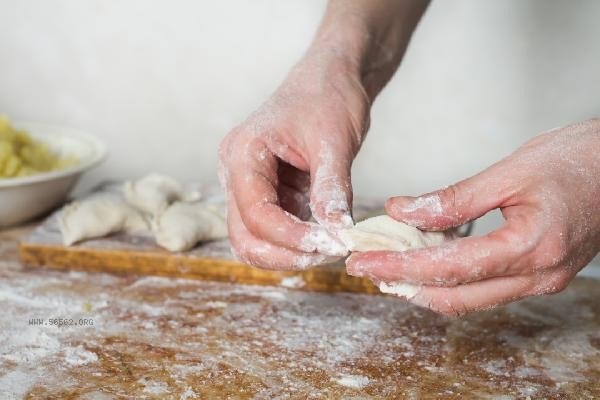
4. Gluten breakage
Repeated freeze-thaw cycles can damage the gluten network, leading to loose dough structure and starch loss during cooking. Homemade dumpling wrappers can increase the proportion of medium gluten flour and improve elasticity. For commercial frozen dumplings, it is recommended to boil them directly without thawing to avoid ice crystals piercing the gluten.
5. Insufficient oil
and insufficient addition of oil or prolonged freezing time during dough production can lead to fat oxidation and loss of protective film on the surface of the dough. Plant oil can be added according to the weight of flour when kneading, and a few drops of oil can be added to the water to form a barrier layer during cooking, reducing starch leaching.
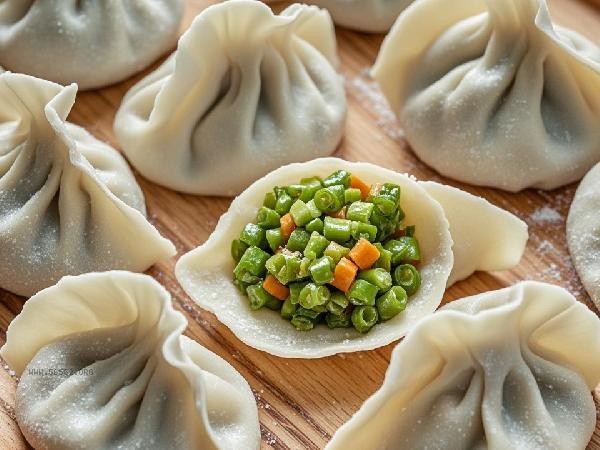
When handling frozen dumplings in daily life, it is recommended to choose dumpling skins with moderate thickness and freeze them for no more than one month. Before cooking, check if the dumplings are cracked. After boiling, gently stir to prevent sticking to the bottom. Eating with vinegar or spicy oil can mask visual differences. If abnormal whitening persists, it is recommended to change the purchasing channel. Please note that frozen foods should not be thawed repeatedly. They can be divided into small portions for use and kept at a stable temperature below minus 18 degrees Celsius in the refrigerator.








Comments (0)
Leave a Comment
No comments yet
Be the first to share your thoughts!