
Planting rapeseed requires mastering key steps such as sowing, field management, and pest control. There are mainly methods such as seed selection, soil preparation and fertilization, timely sowing, water and fertilizer management, harvesting and storage.
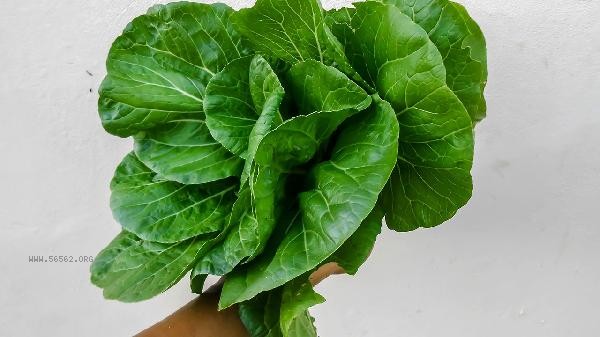
1. Seed selection treatment
Select high-quality rapeseed varieties with strong disease resistance and high yield. Before sowing, air the seeds for 1-2 days and soak them in warm water for 4-6 hours to promote germination. Seeds can be mixed with seed coating to prevent seedling diseases, and the amount of seeds used per acre should be controlled at 300-400 grams.
2. Soil preparation and fertilization
Choose fields with deep soil layers and convenient drainage and irrigation, deeply plow 20-30 centimeters, and then rake flat. The base fertilizer is mainly decomposed organic fertilizer, combined with nitrogen phosphorus potassium compound fertilizer. 2000 kilograms of organic fertilizer and 40 kilograms of compound fertilizer are applied per mu. Acidic soil requires the addition of lime to adjust the pH value.
3. Timely sowing
It is advisable to sow in the Yangtze River Basin from late September to early October, using strip sowing or hole sowing methods, with a row spacing of 40 centimeters and a plant spacing of 20 centimeters. Sow at a depth of 2-3 centimeters, cover with soil and compact after sowing. In the northern spring rapeseed area, soil thawing should be carried out in mid to late March before sowing with soil moisture.
4. Water and fertilizer management
Keep the soil moist during the seedling stage, require a large amount of water during the flowering stage, and control water appropriately during the pod development stage. Fertilization should be carried out twice during the seedling and bud stages, with 10-15 kilograms of urea applied per mu. Before winter, cultivate soil to prevent freezing, and promptly plow and weed after spring.
5. Harvesting and Storage
When 70-80% of the pods on the whole plant turn yellow, harvest on sunny days and let them air dry for 3-5 days before threshing. When the moisture content of the seeds drops to 8-9%, store them in the warehouse and pay attention to moisture and mold prevention. Isolation planting is required for the reserved farmland, and robust plants should be selected for individual harvesting.
When planting rapeseed, attention should be paid to crop rotation and avoid continuous cropping with cruciferous crops. During the growth period, the focus is on preventing and controlling diseases and pests such as rot fungus, downy mildew, and aphids, using a combination of agricultural and biological control methods. Reasonable close planting can improve the utilization efficiency of light energy, and timely bolting can promote branching and yield increase. Timely plowing and stubble removal after harvest, and returning straw to the field can improve soil structure. Choose winter or spring rapeseed varieties based on local climate conditions, and choose varieties with strong cold resistance in cold northern regions.








Comments (0)
Leave a Comment
No comments yet
Be the first to share your thoughts!