
After chemotherapy, it is generally recommended to drink Wuhong Tang 1-2 times a day, and the specific frequency should be adjusted according to individual tolerance and nutritional needs. Wuhong Tang is made by boiling red beans, red peanuts, goji berries, red dates, and brown sugar, which helps to nourish qi and blood, and alleviate symptoms of qi and blood deficiency after chemotherapy.
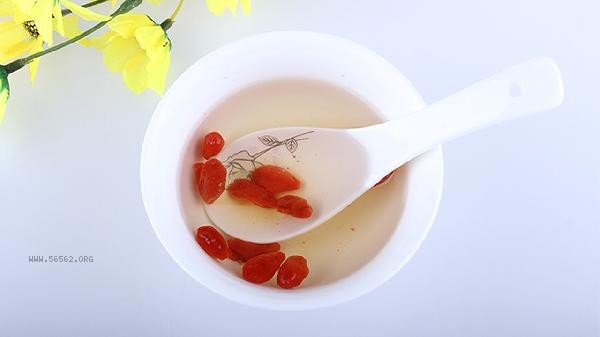
Wuhong Tang, as an auxiliary dietary therapy, once a day can help maintain basic nutritional support and is suitable for patients with weak gastrointestinal function or poor appetite. It is recommended to schedule drinking time after breakfast or afternoon tea to avoid gastrointestinal discomfort caused by drinking on an empty stomach. The amount of brown sugar in the soup can be adjusted according to the blood sugar situation, and diabetes patients can use a small amount of longan meat instead. Red beans and peanuts need to be soaked in advance to facilitate digestion and absorption, and boiled until soft and tender can reduce gastrointestinal burden.
If the patient has obvious anemia symptoms or rapid weight loss, it can be increased to twice a day, but it needs to be consumed in small portions. The interval between two drinks should be more than 4 hours to avoid bloating caused by excessive intake of sugar and dietary fiber in a single day. For patients with low white blood cells after chemotherapy, the dosage of goji berries can be appropriately increased to 10 grams, but long-term excessive consumption is not recommended. When diarrhea or oral ulcers occur, drinking should be stopped and a physician should be consulted. During chemotherapy, it is important to pay attention to a balanced diet, and Wuhong Tang should not completely replace regular meals. It is recommended to pair it with high-quality protein such as fish, eggs, and fresh vegetables for consumption, with steaming as the main cooking method. If there is discomfort in the stomach or fluctuations in blood sugar after drinking, the frequency should be adjusted in a timely manner, and blood routine indicators should be monitored regularly. If severe bone marrow suppression or renal dysfunction occurs after chemotherapy, the dietary therapy plan should be adjusted under the guidance of a nutritionist, and medical nutritional supplements should be supplemented if necessary.








Comments (0)
Leave a Comment
No comments yet
Be the first to share your thoughts!